Barcelona GEOS Meeting 2023: Strengthening Collaboration and Innovation in Variable Star Research
Astronomers convene at CosmoCaixa to renew GEOS leadership, advance database projects, and foster international partnerships.
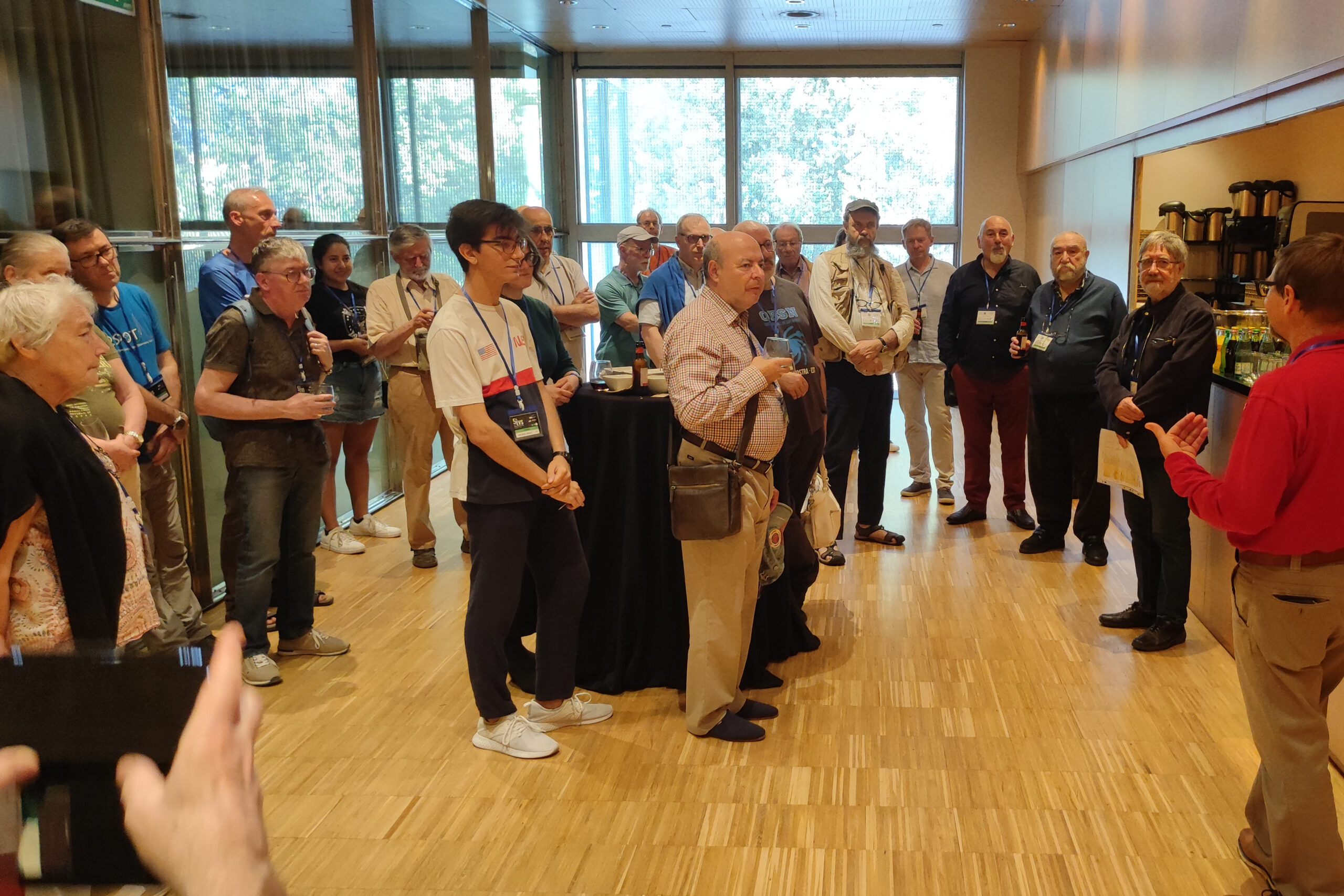
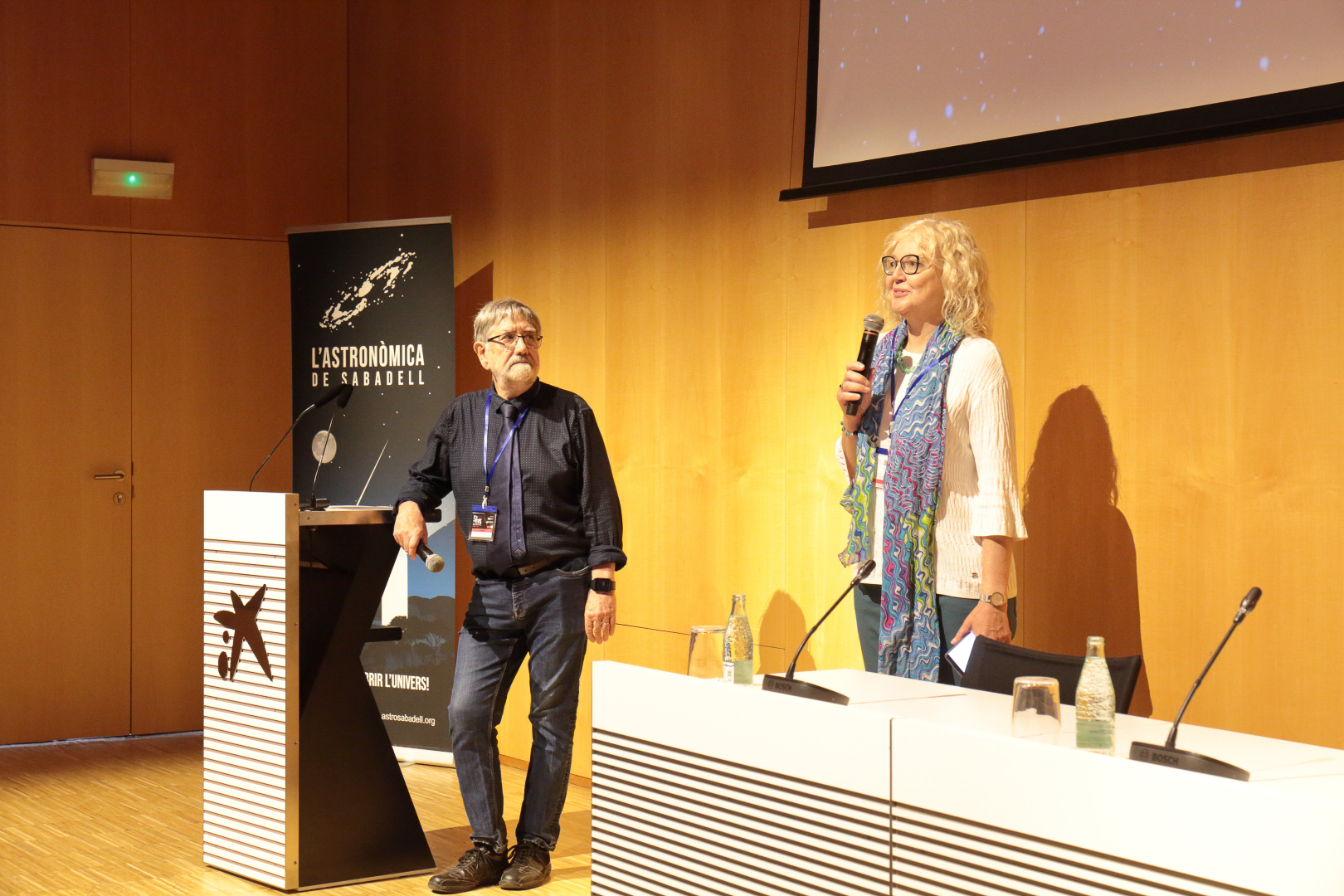
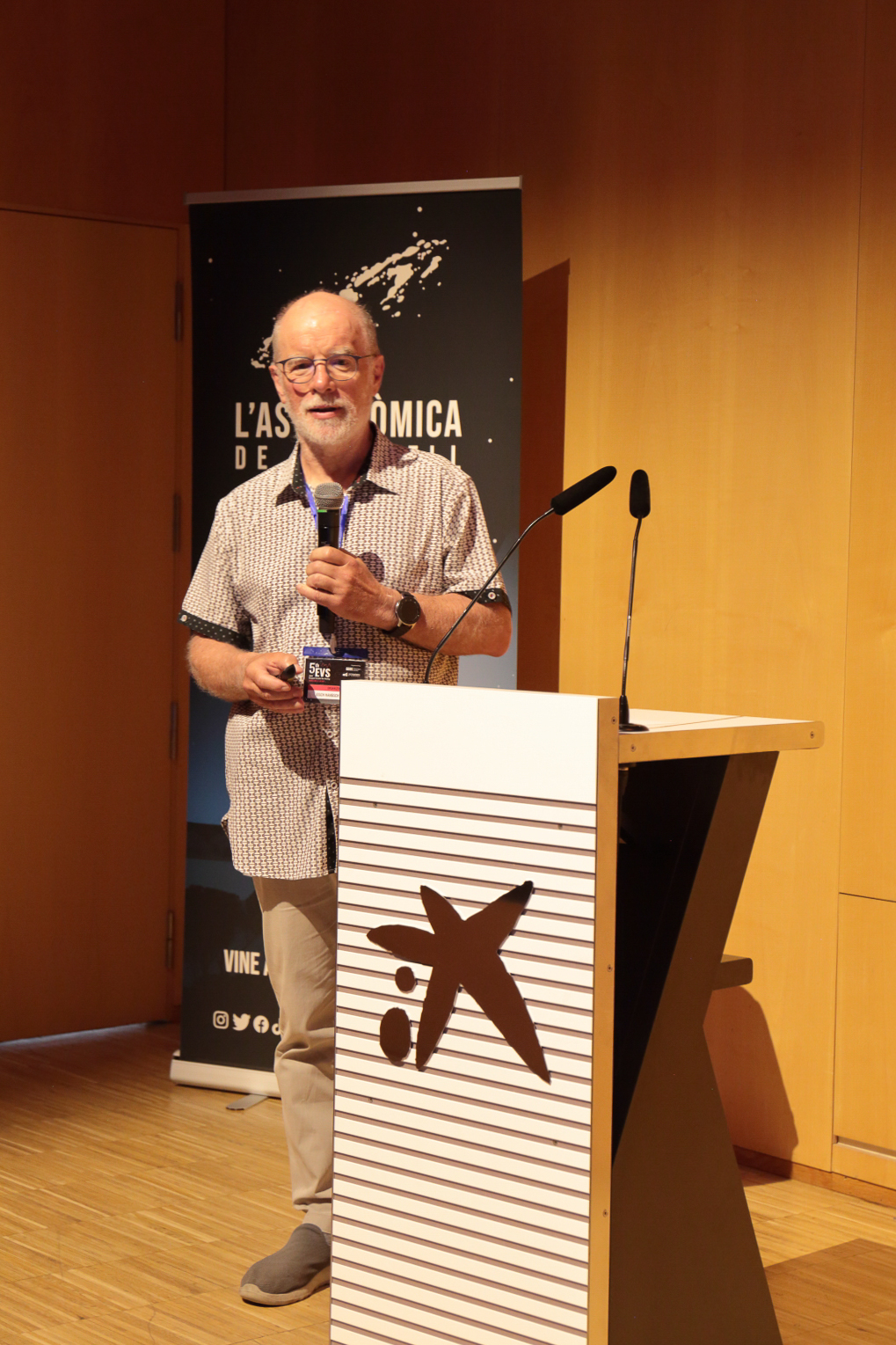
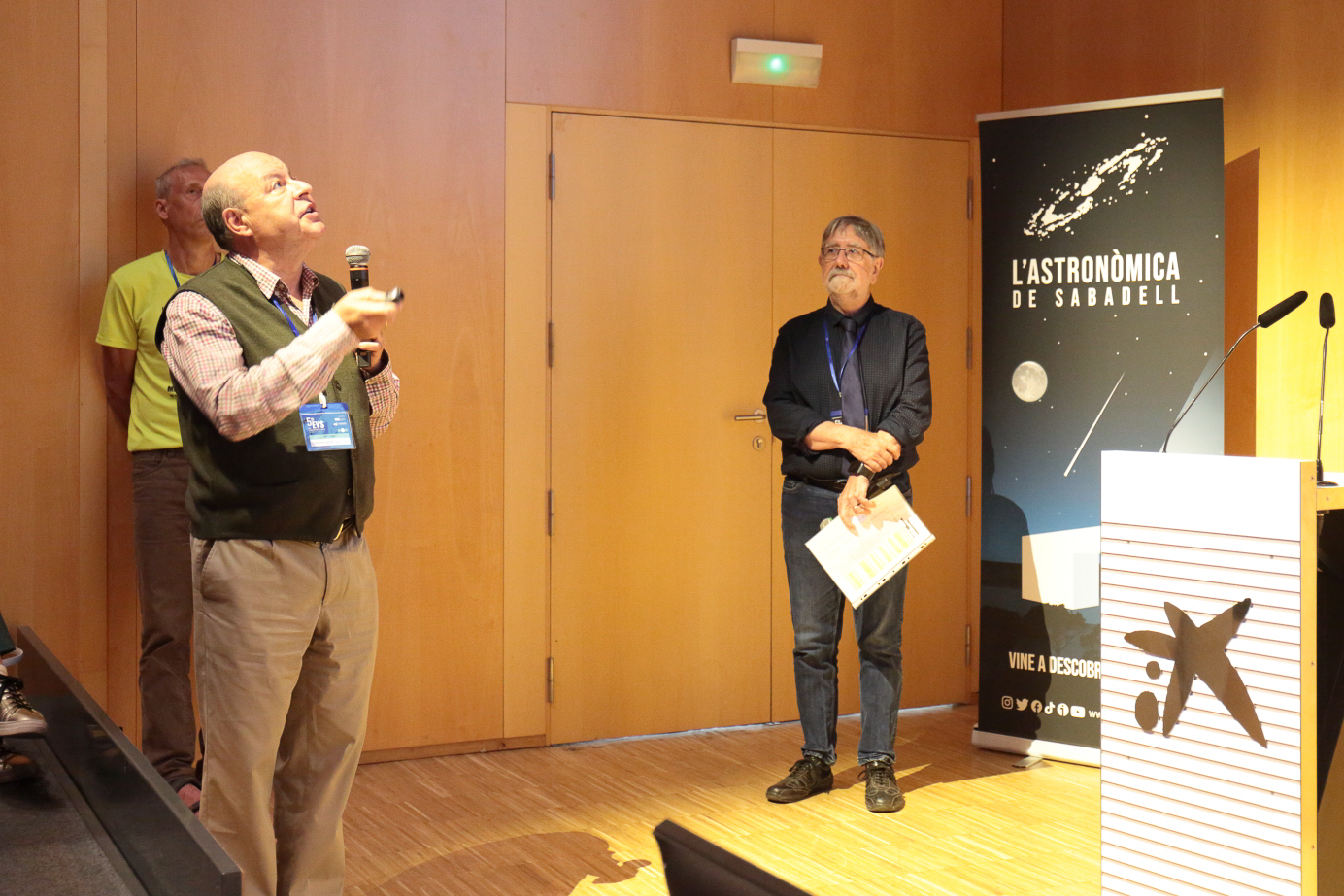
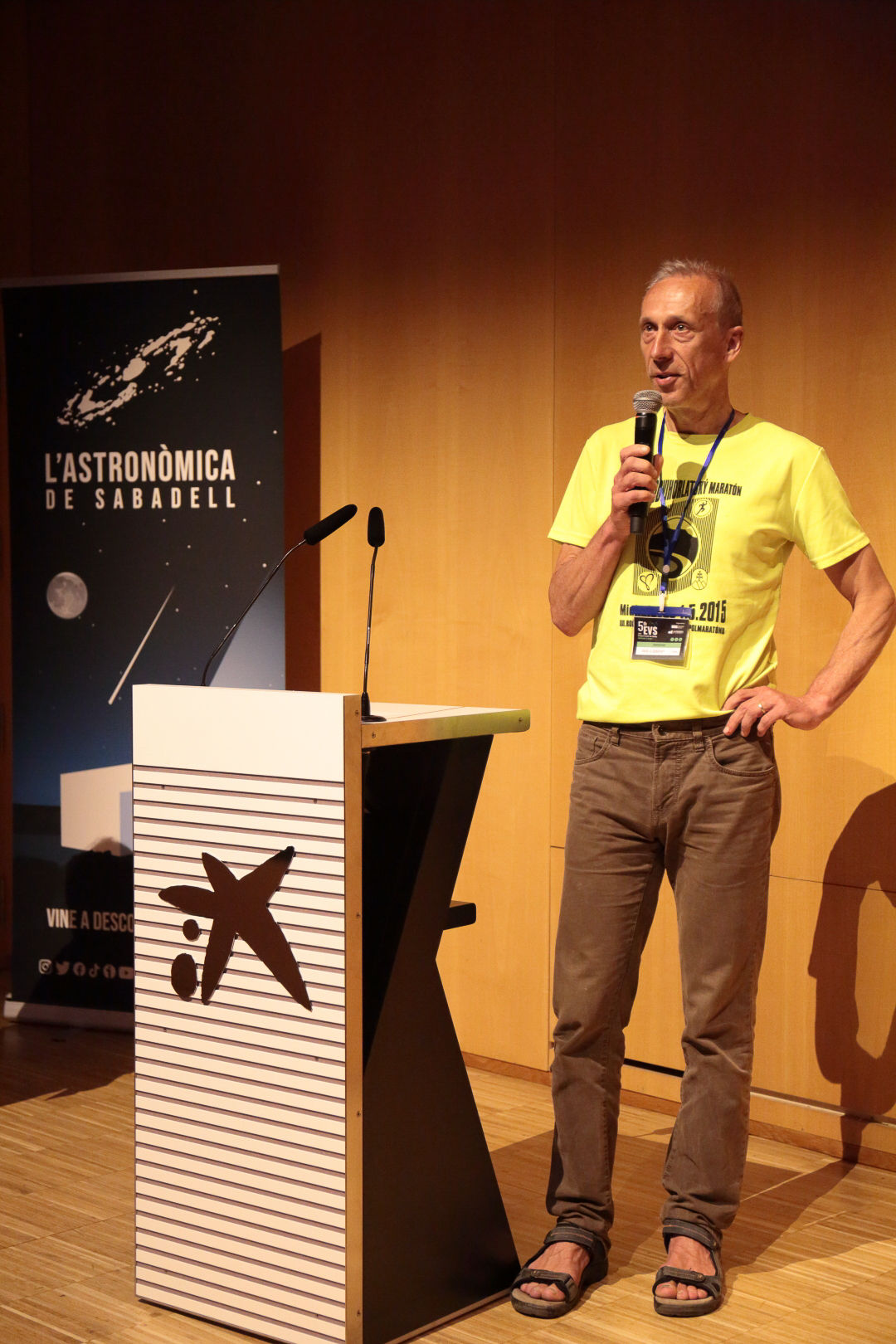
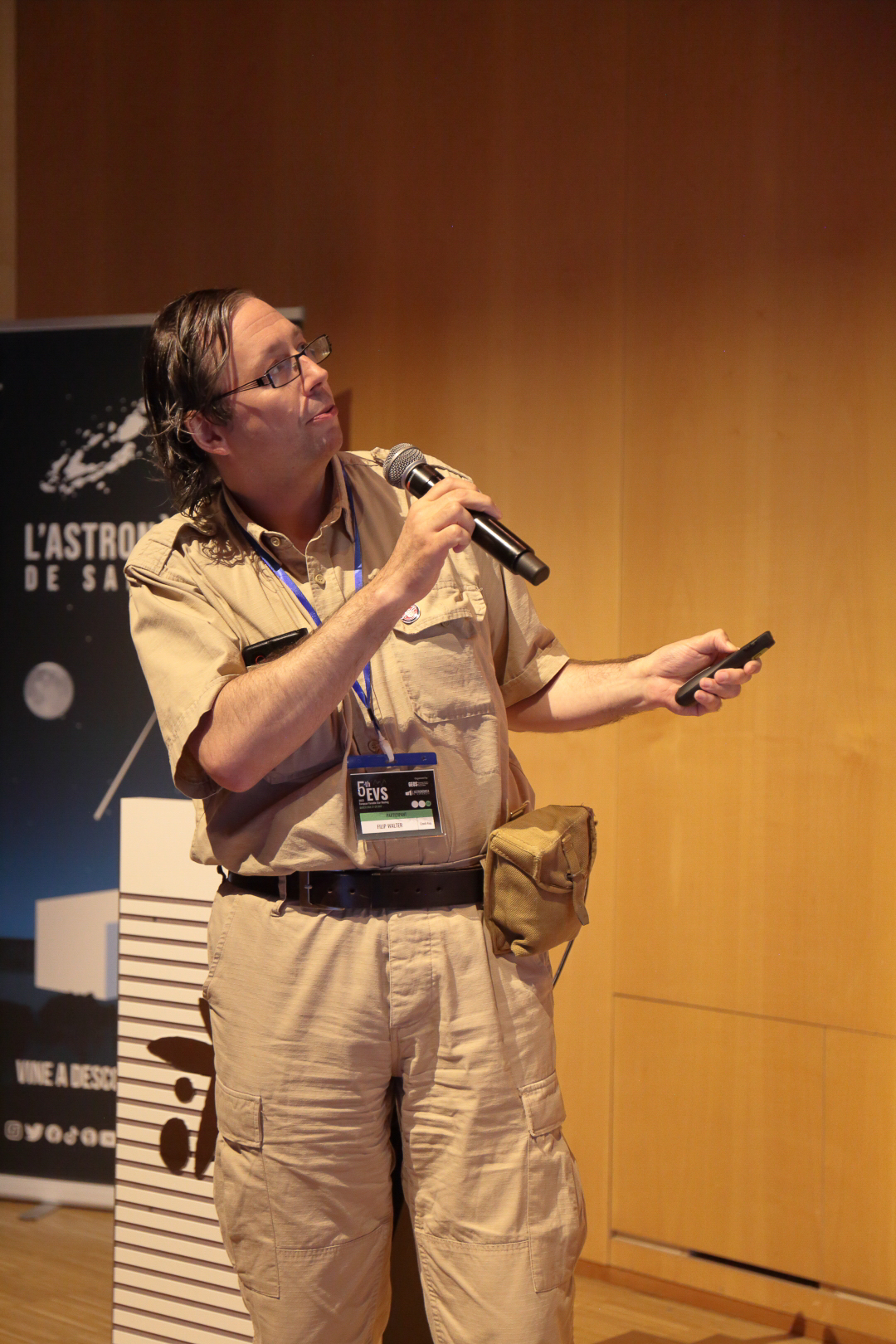
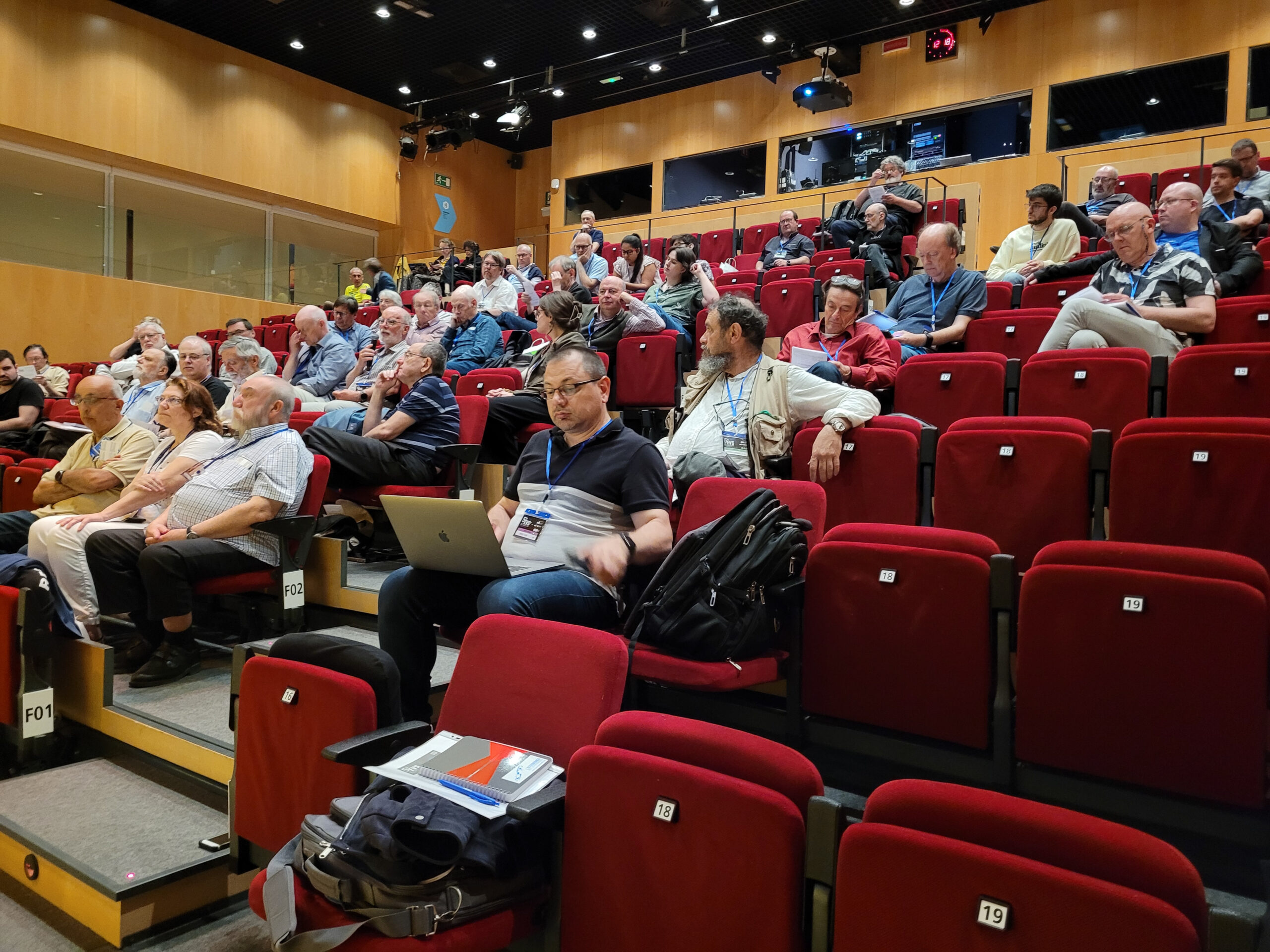
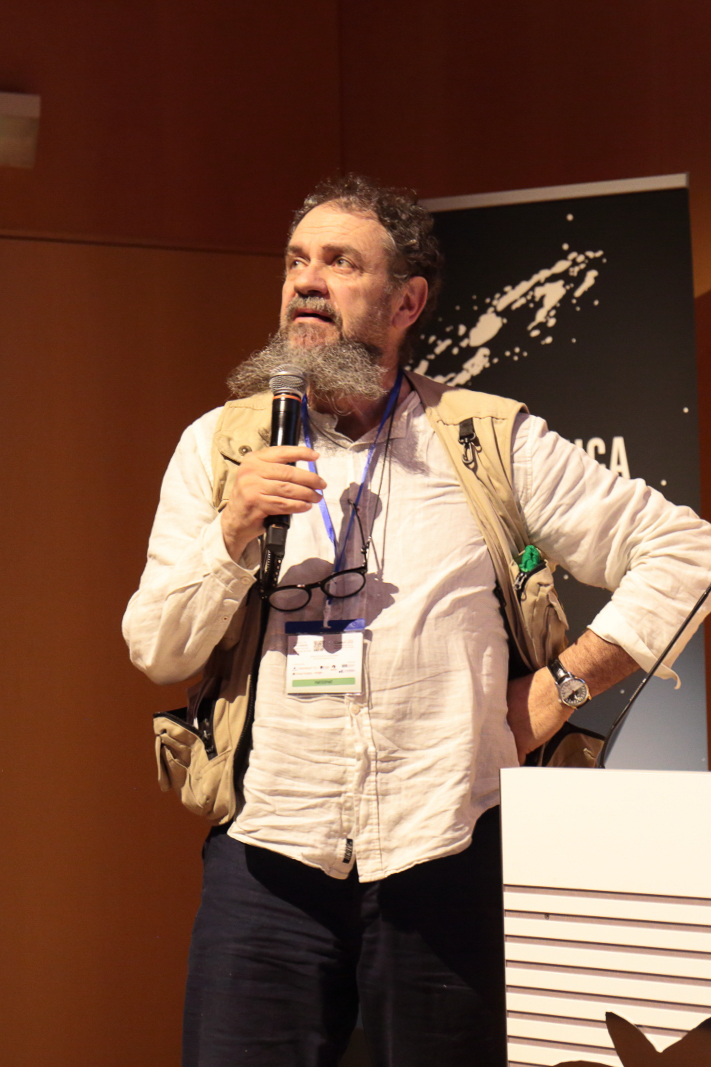
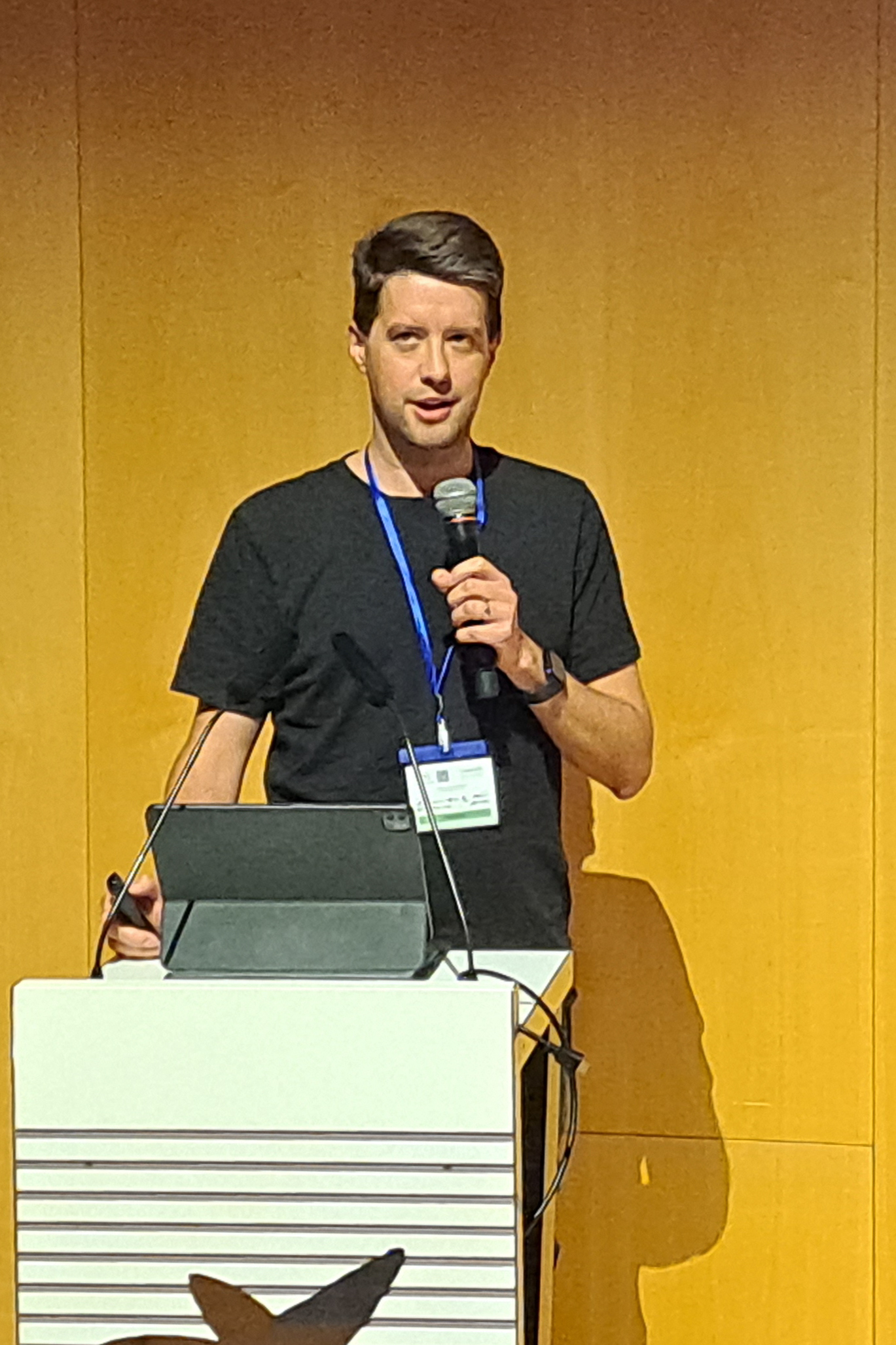
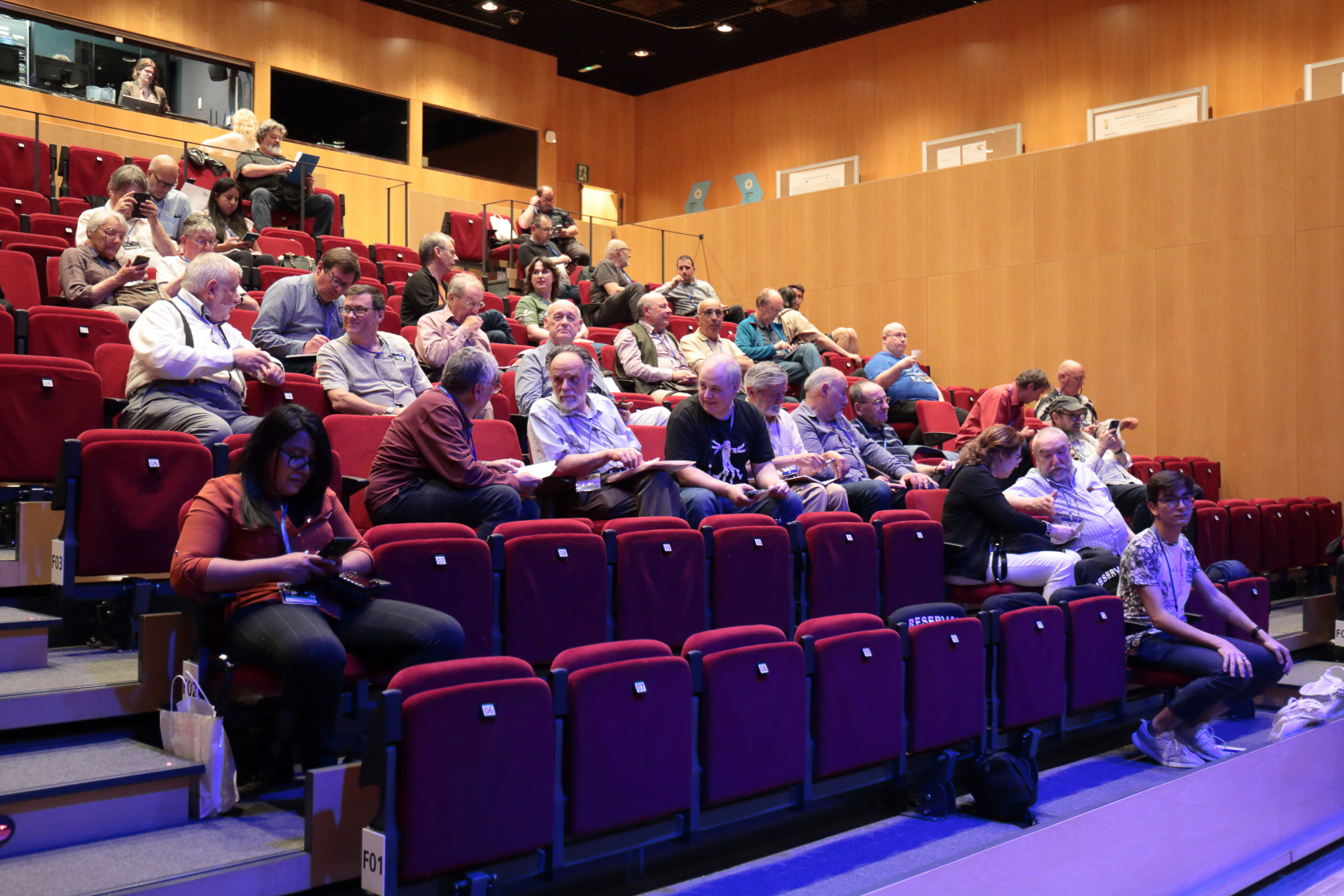
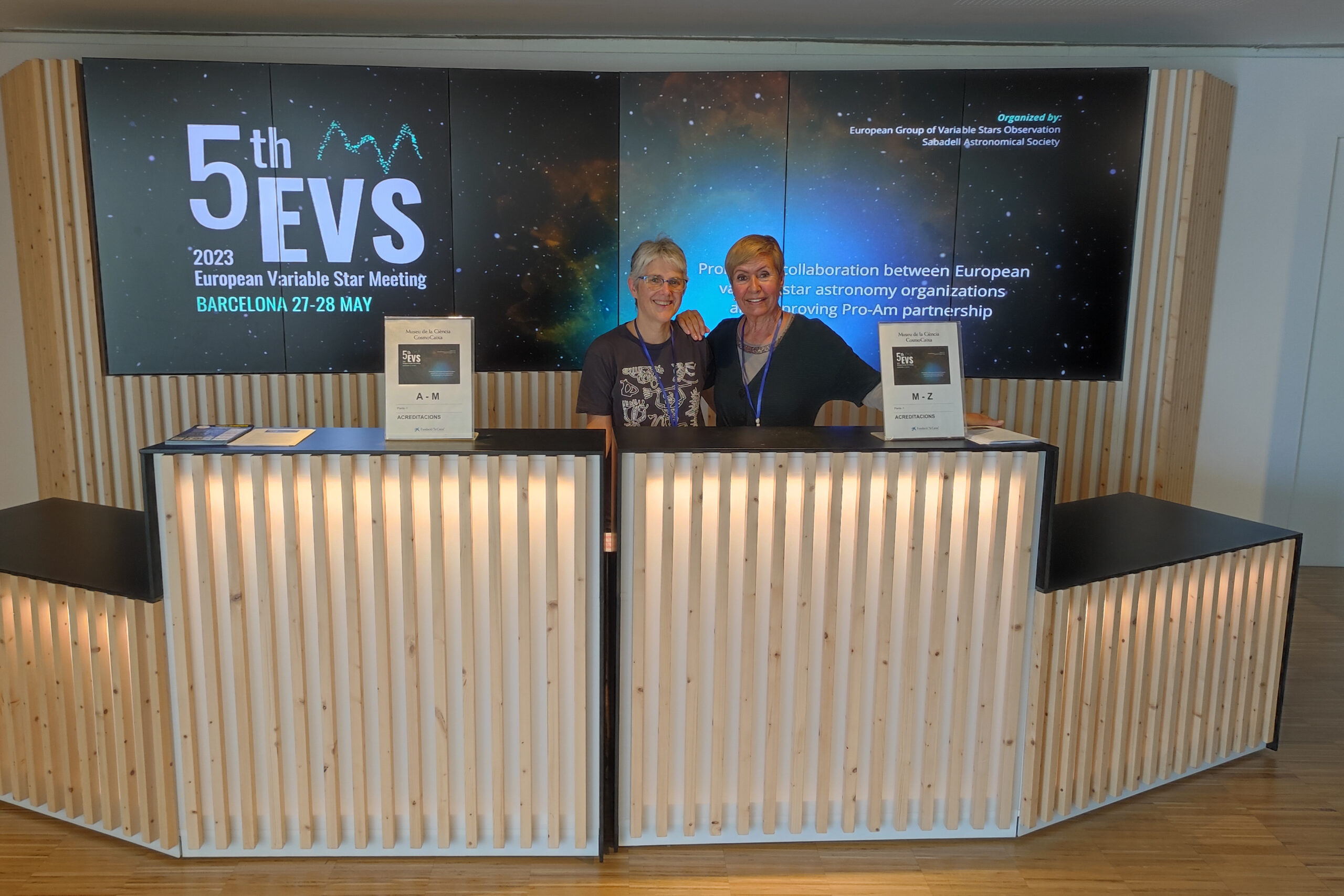
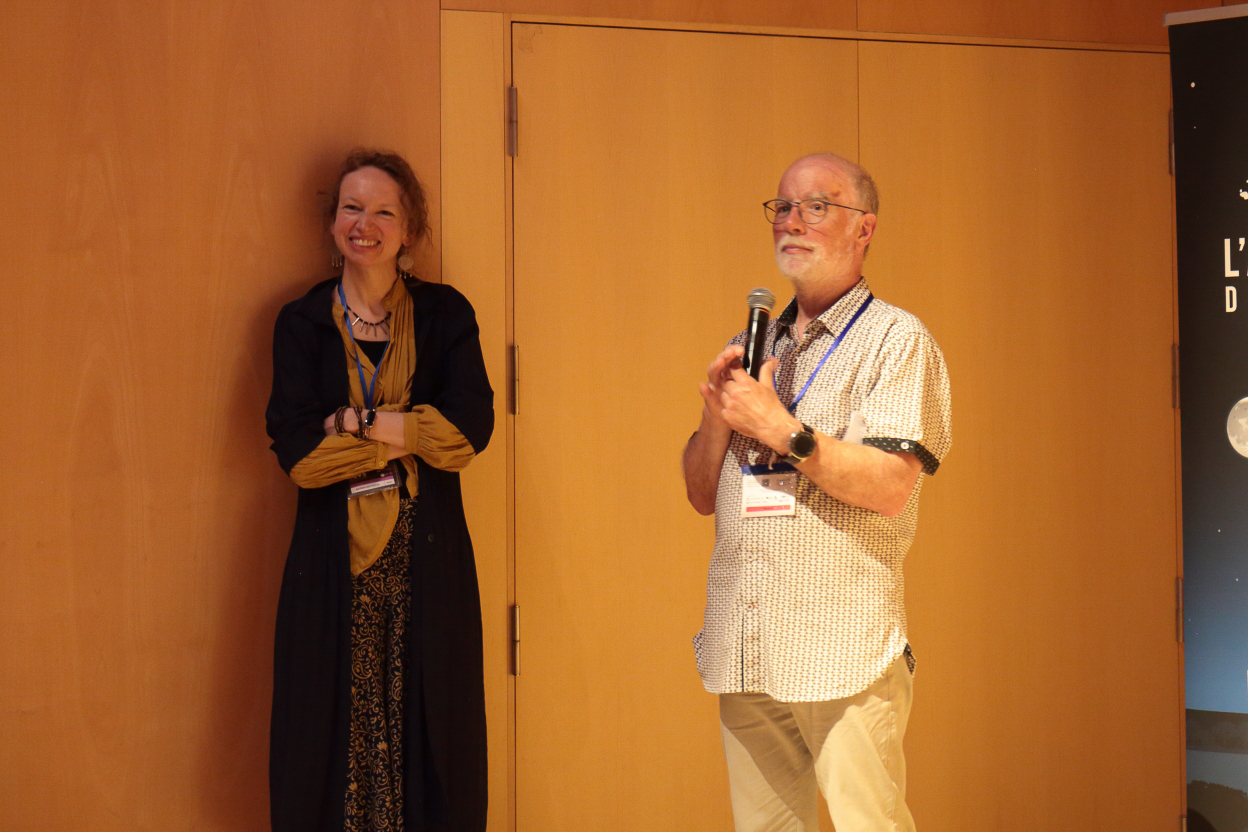
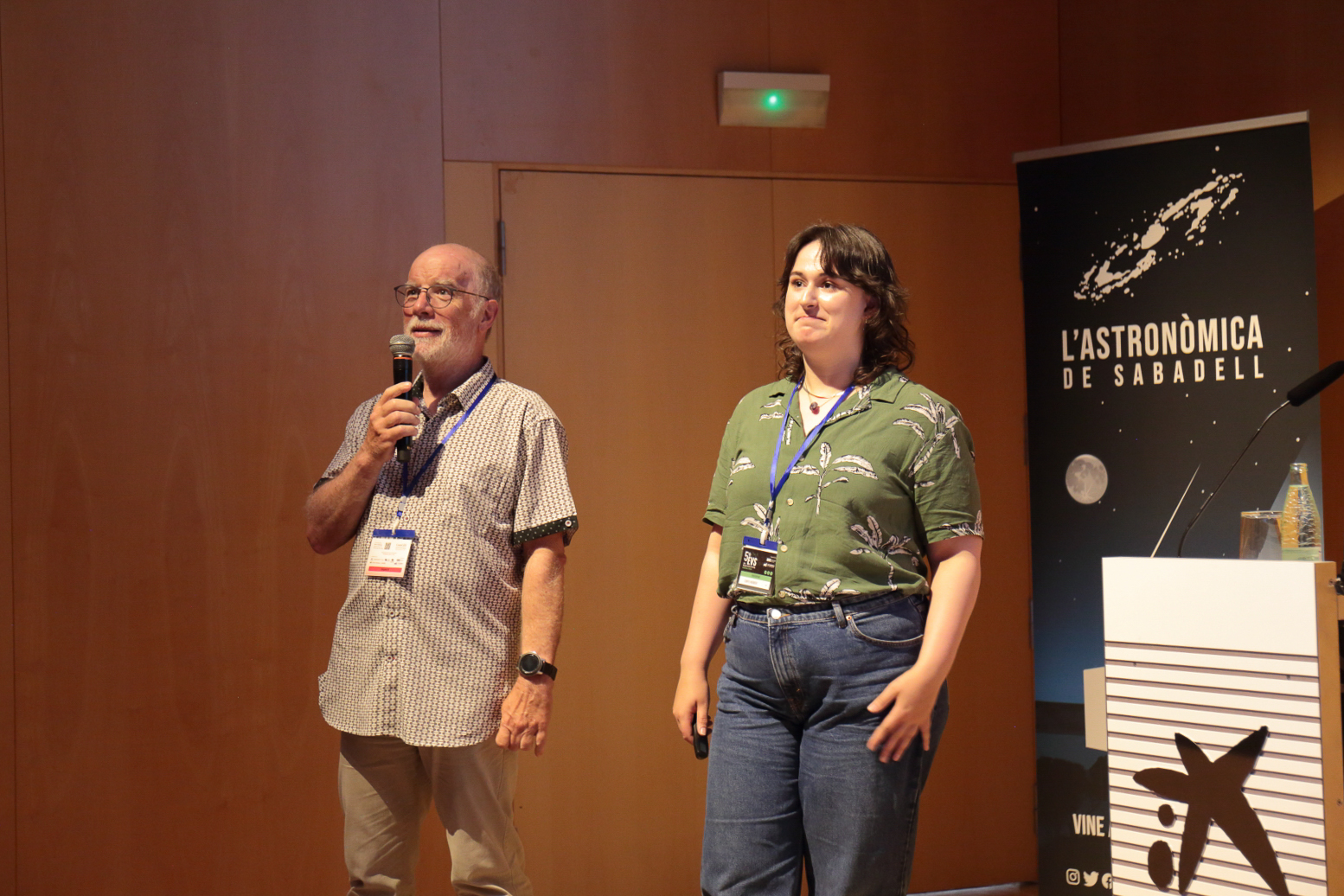
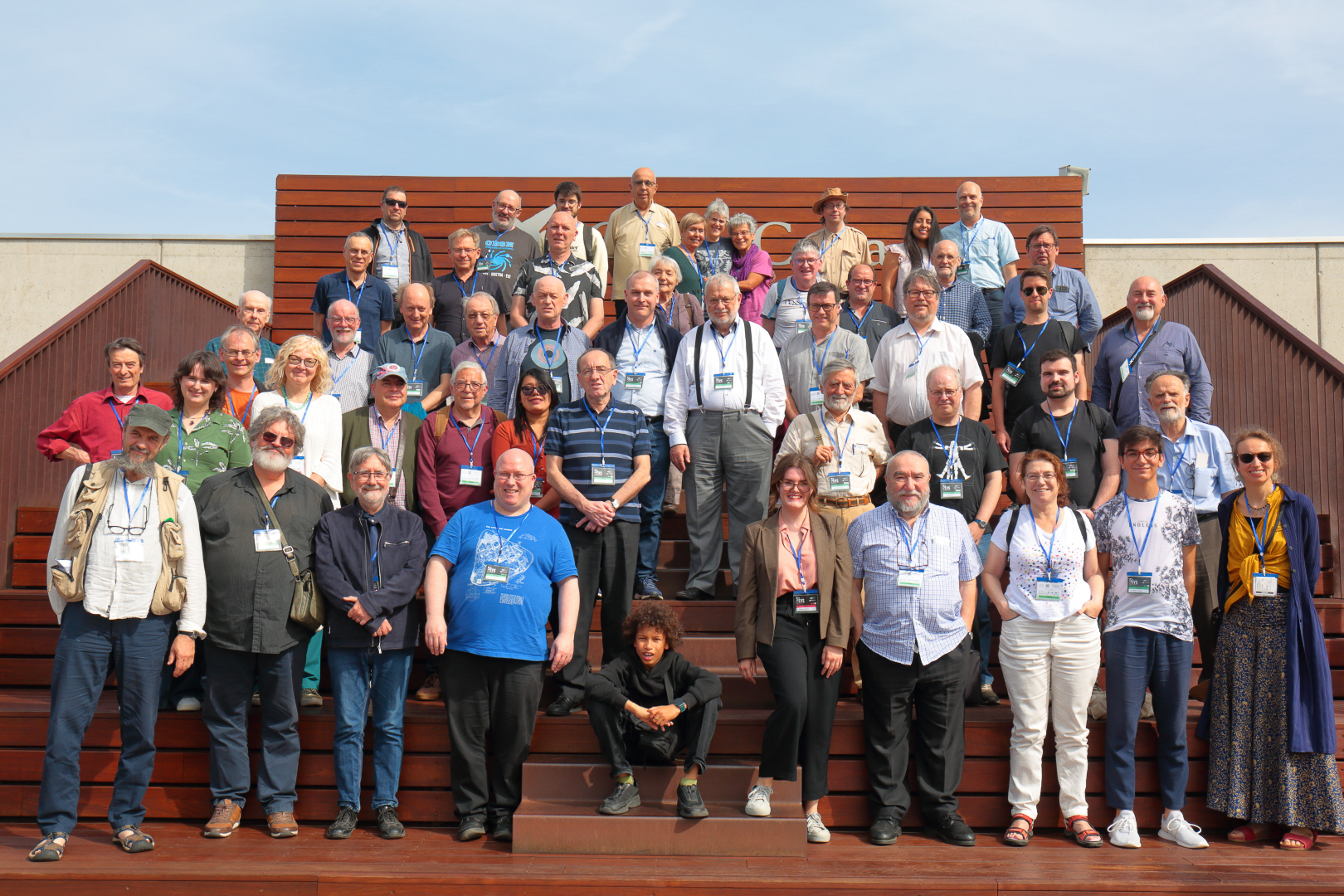
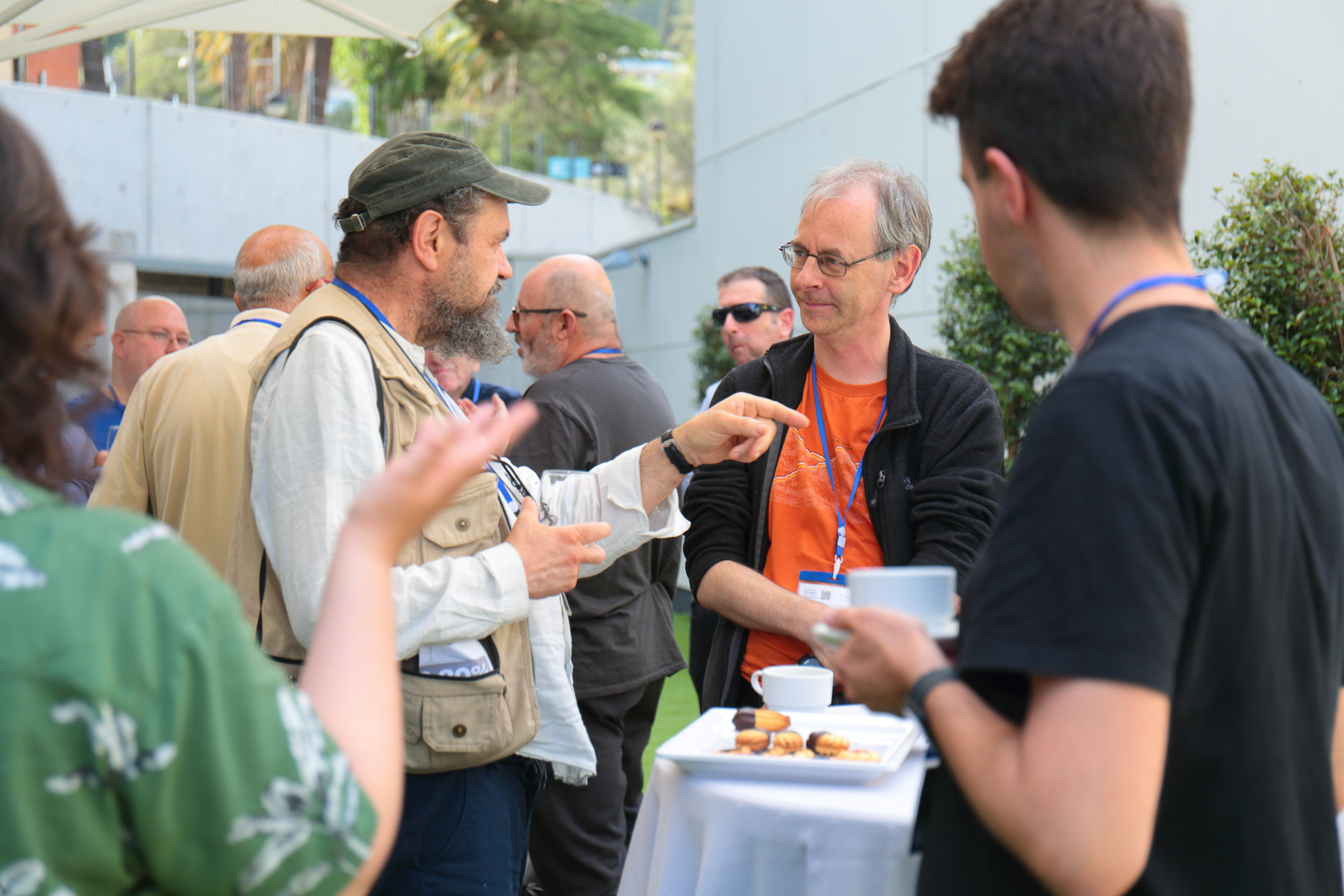
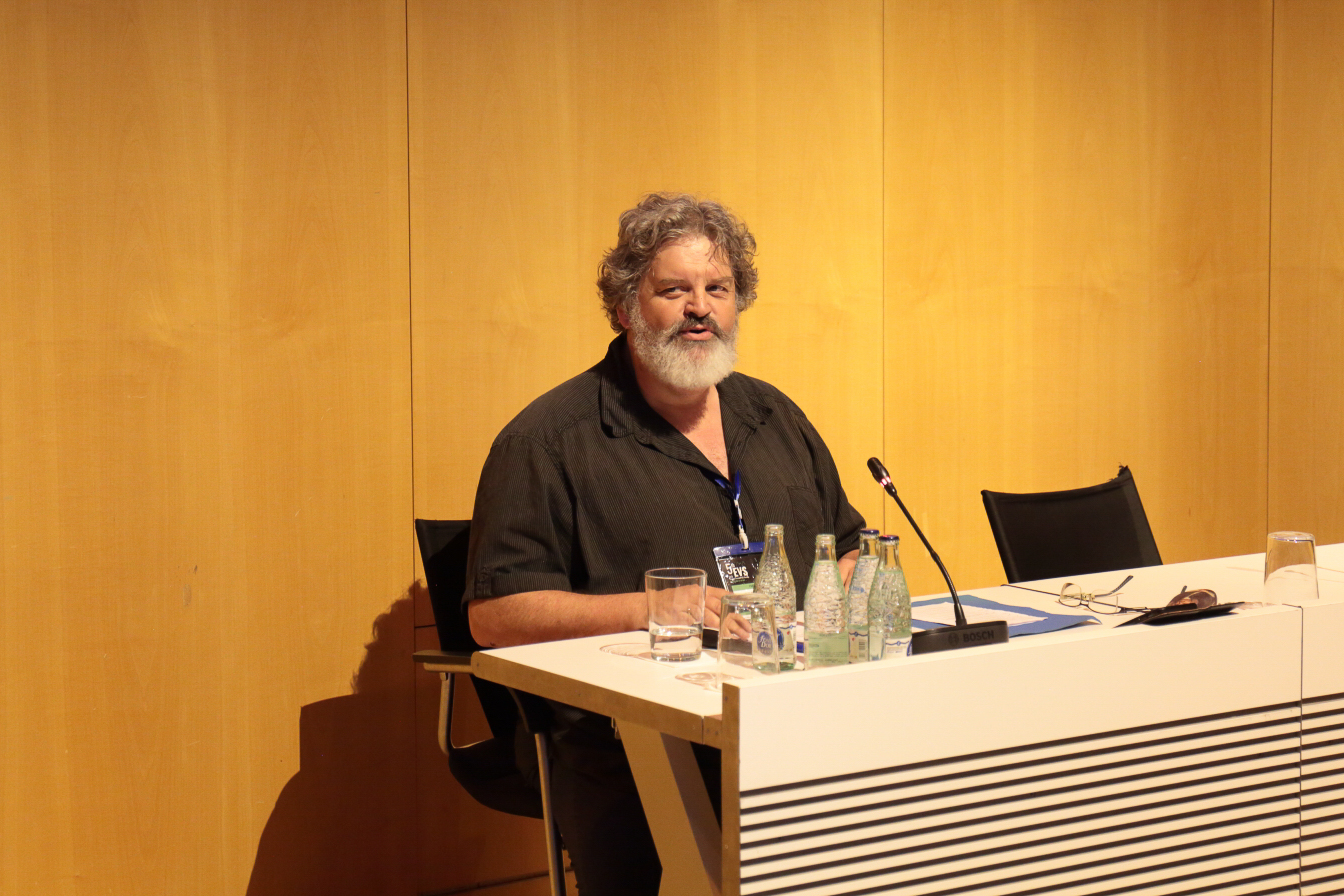
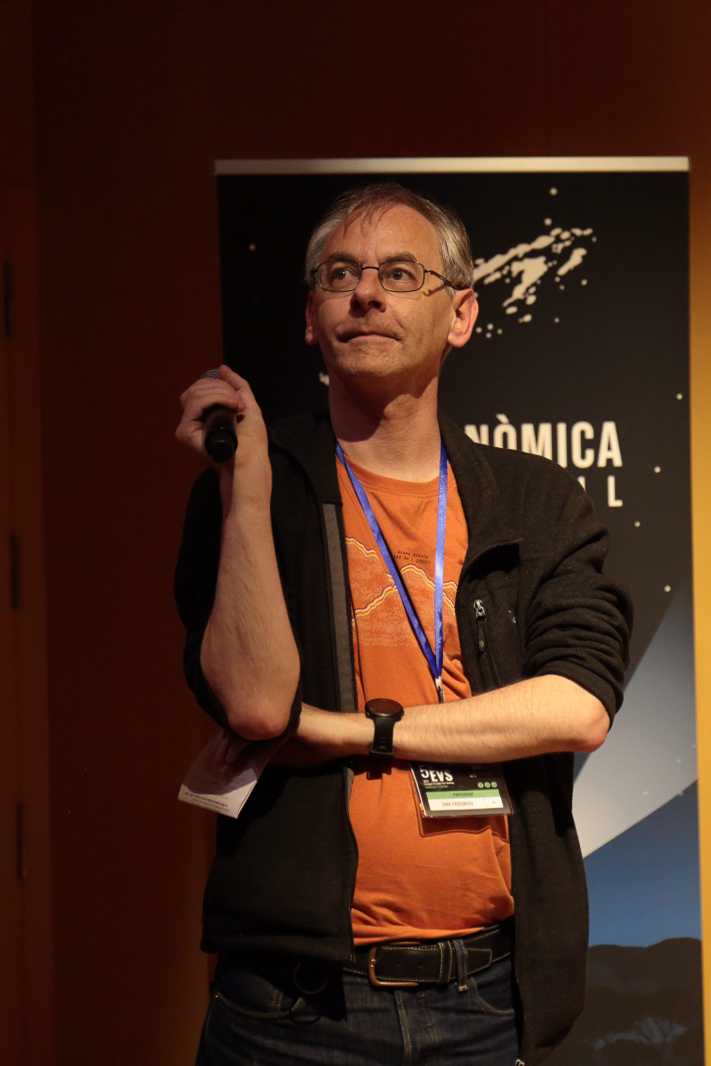
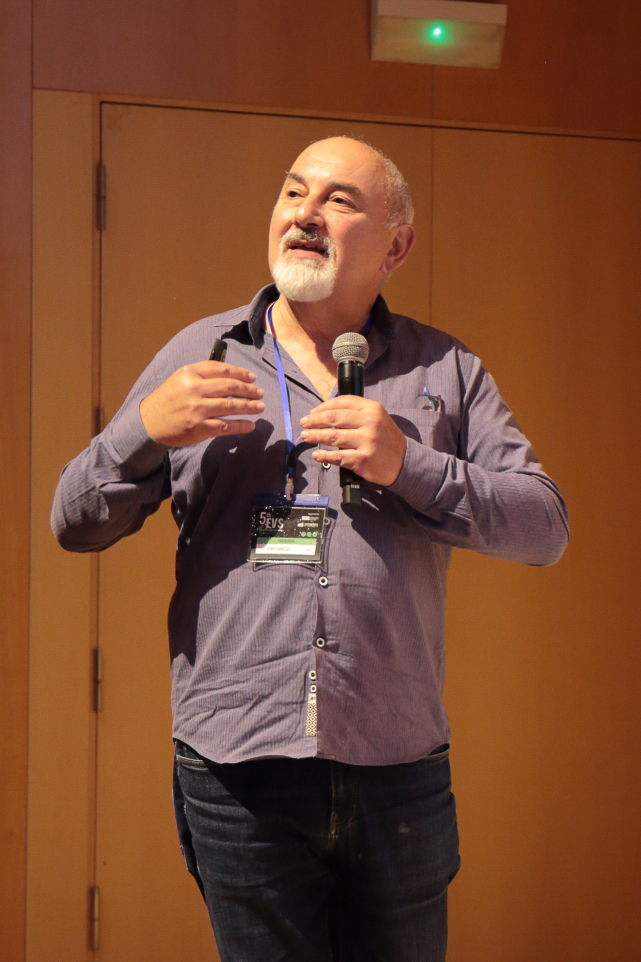
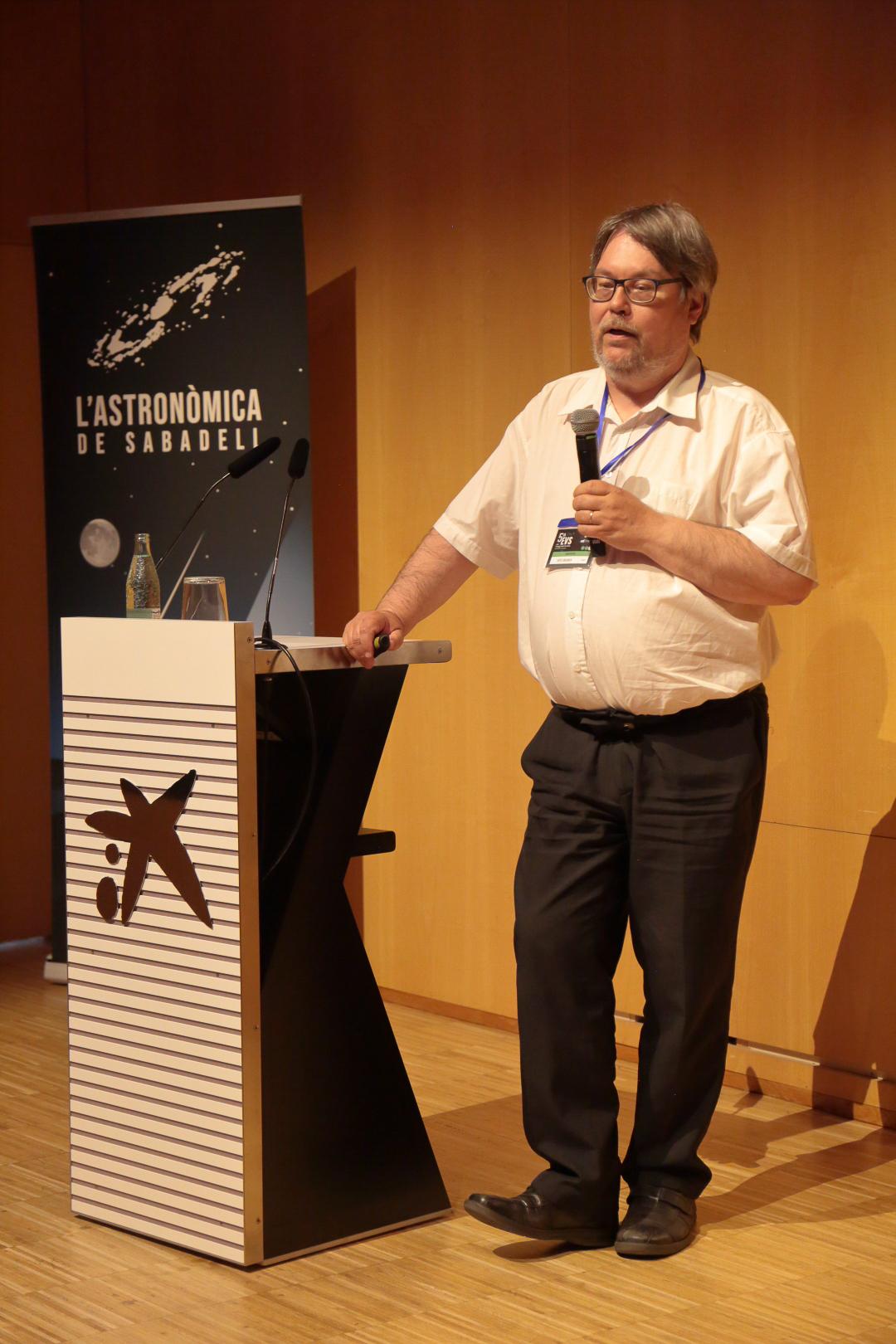
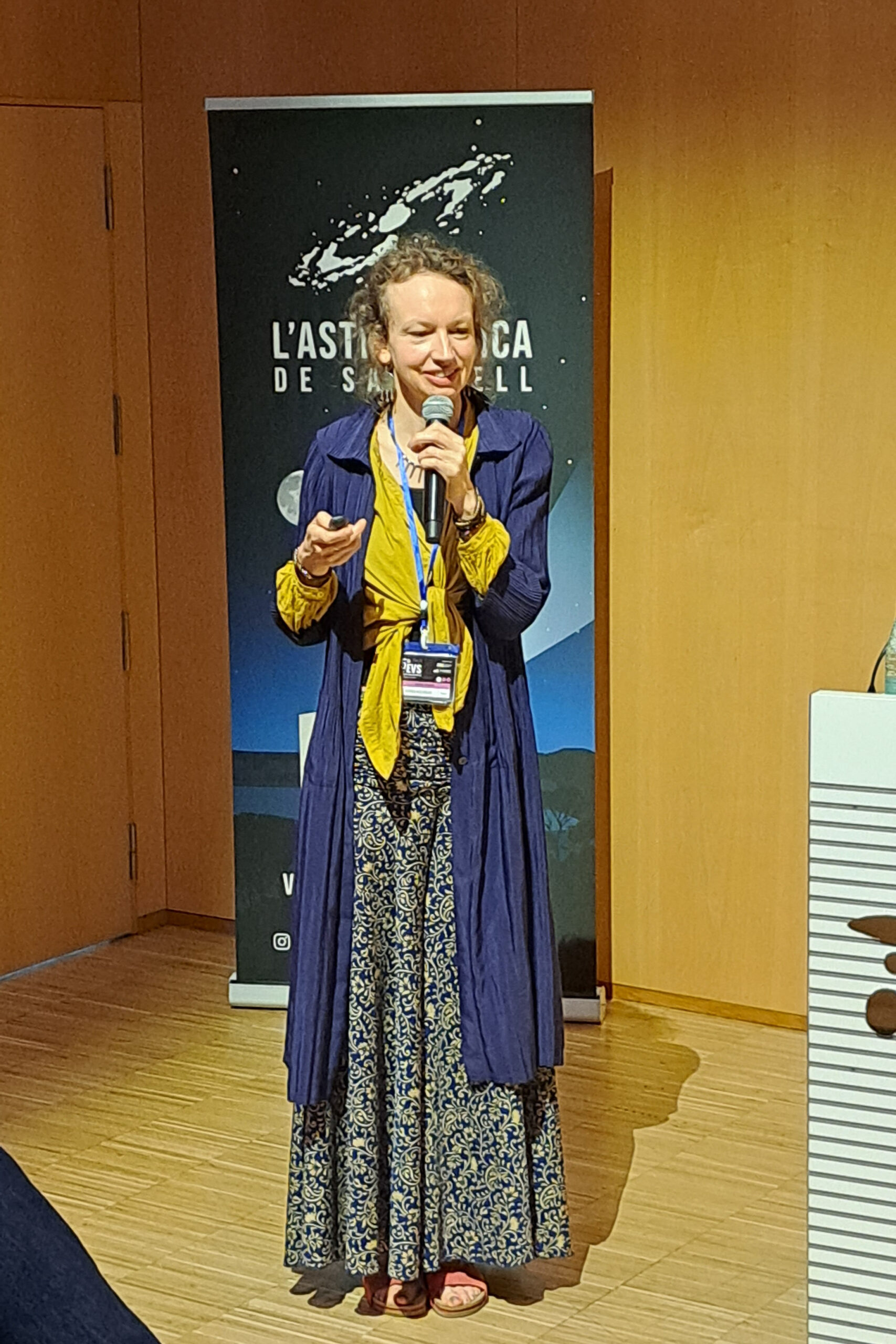
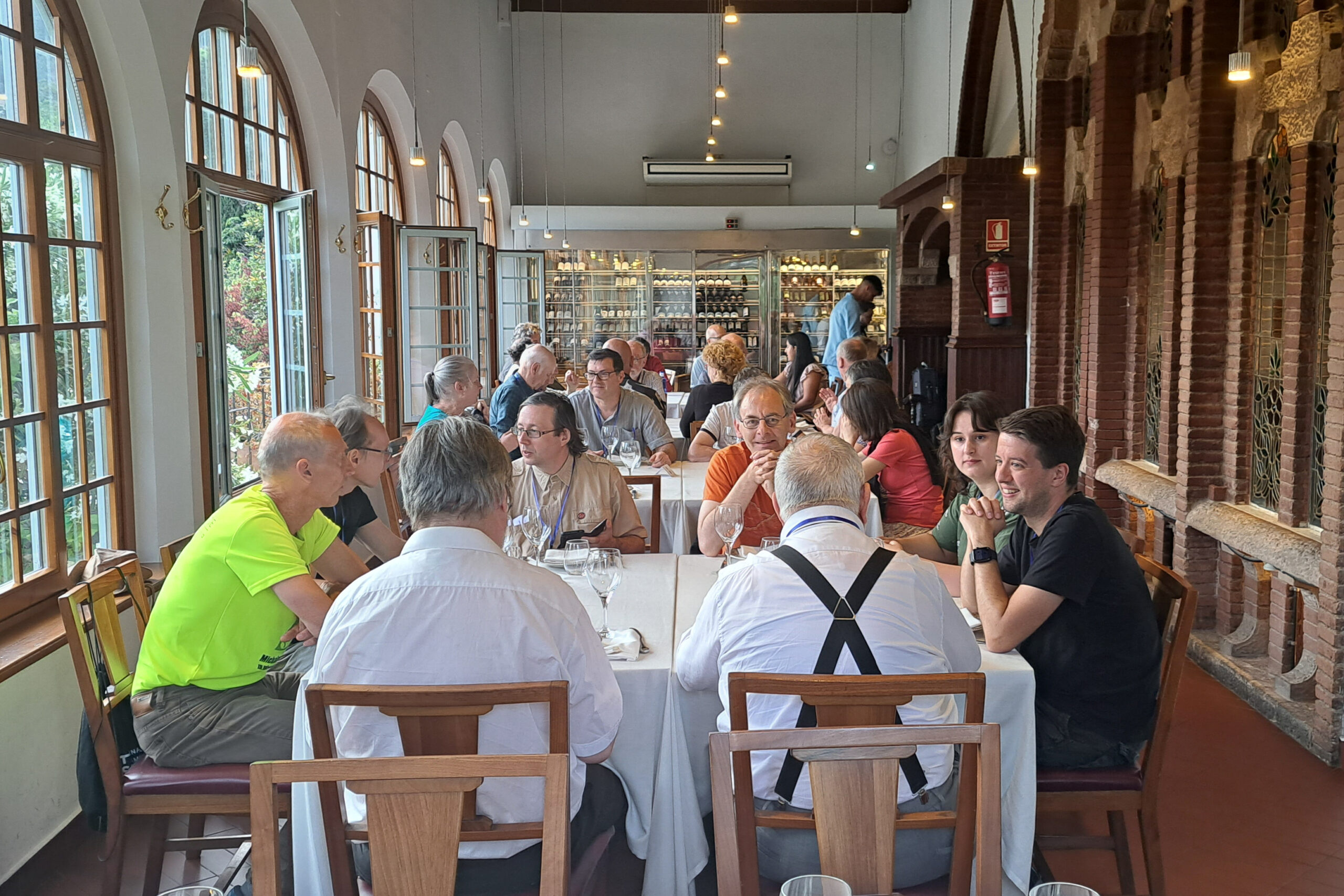
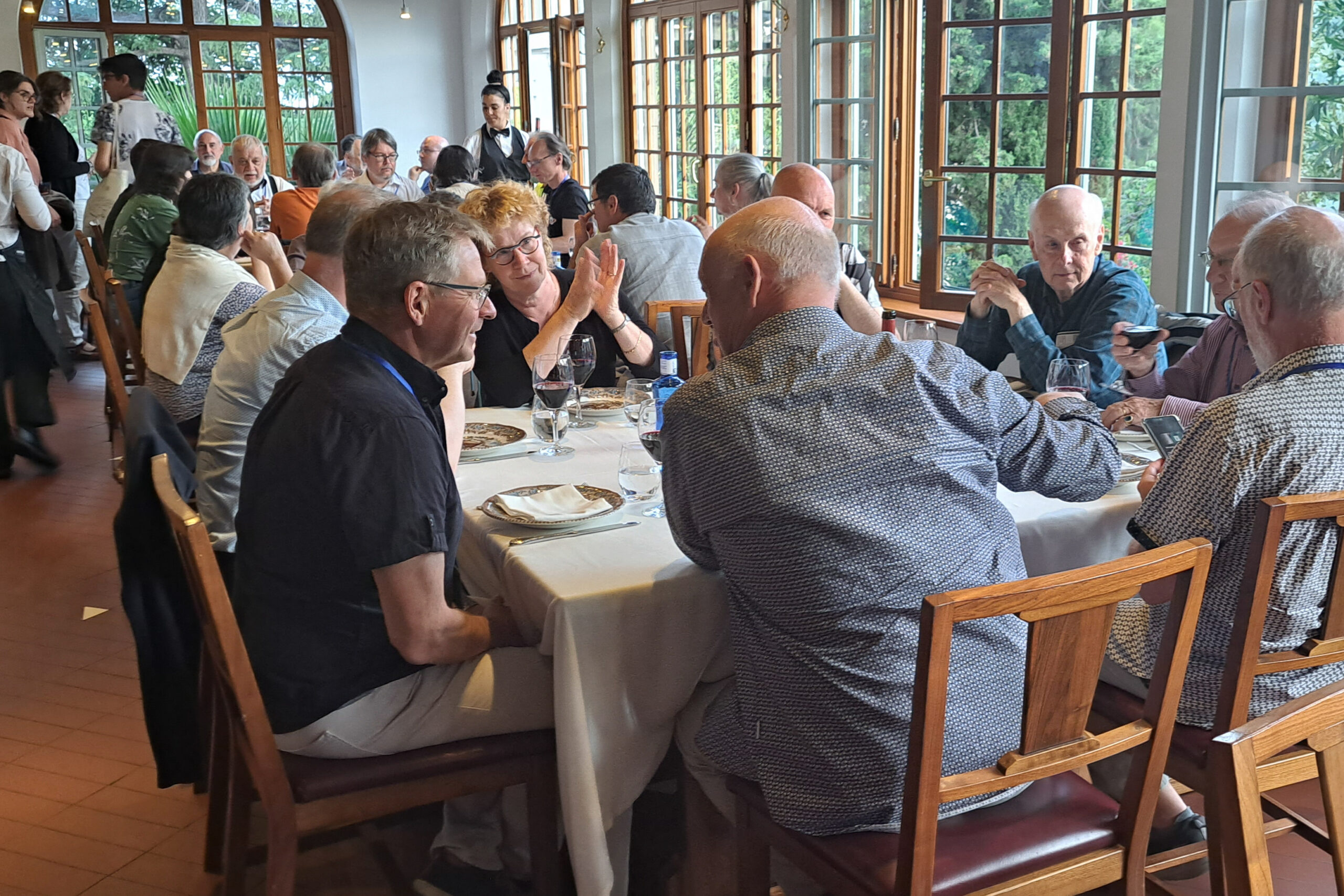
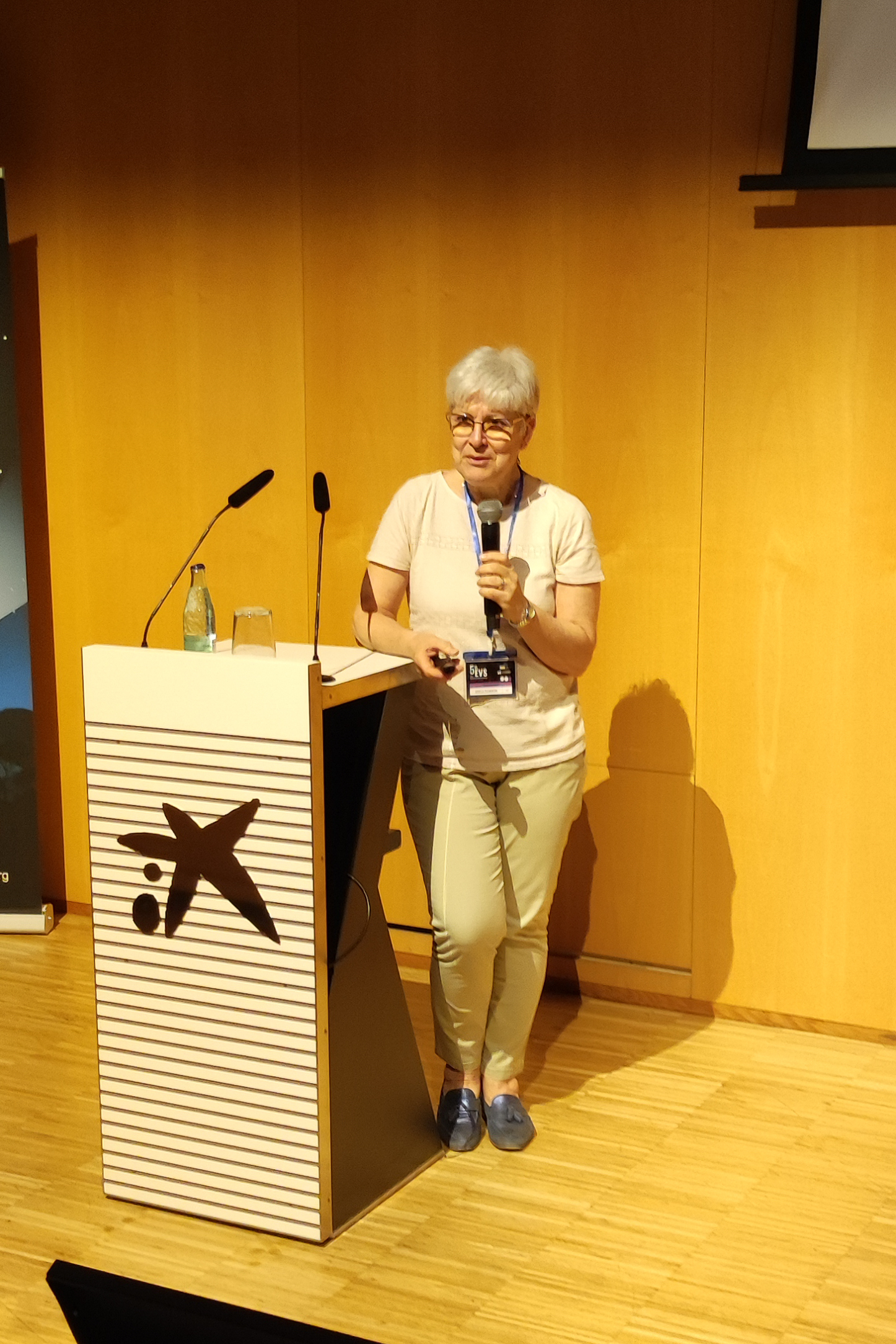
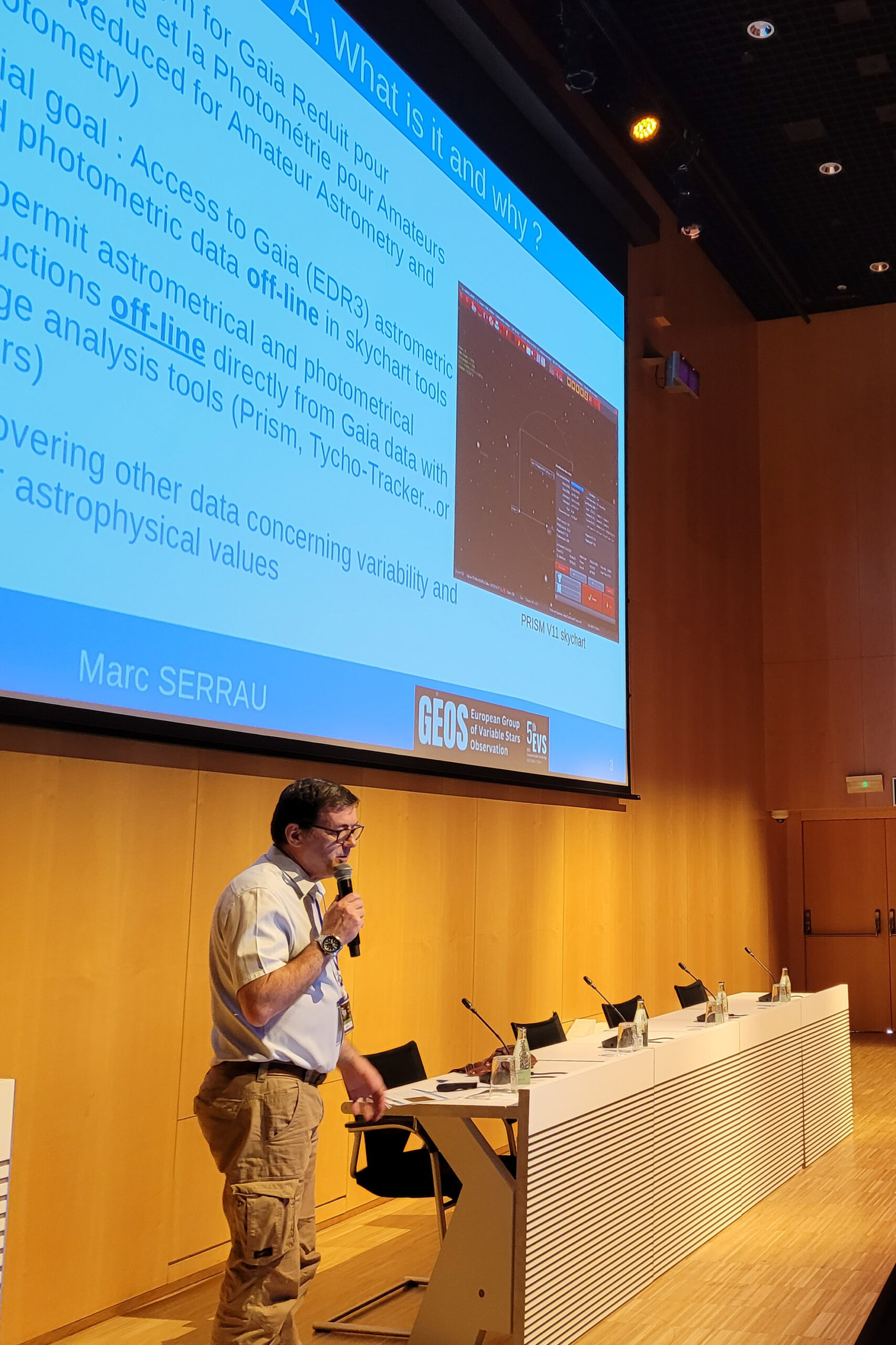
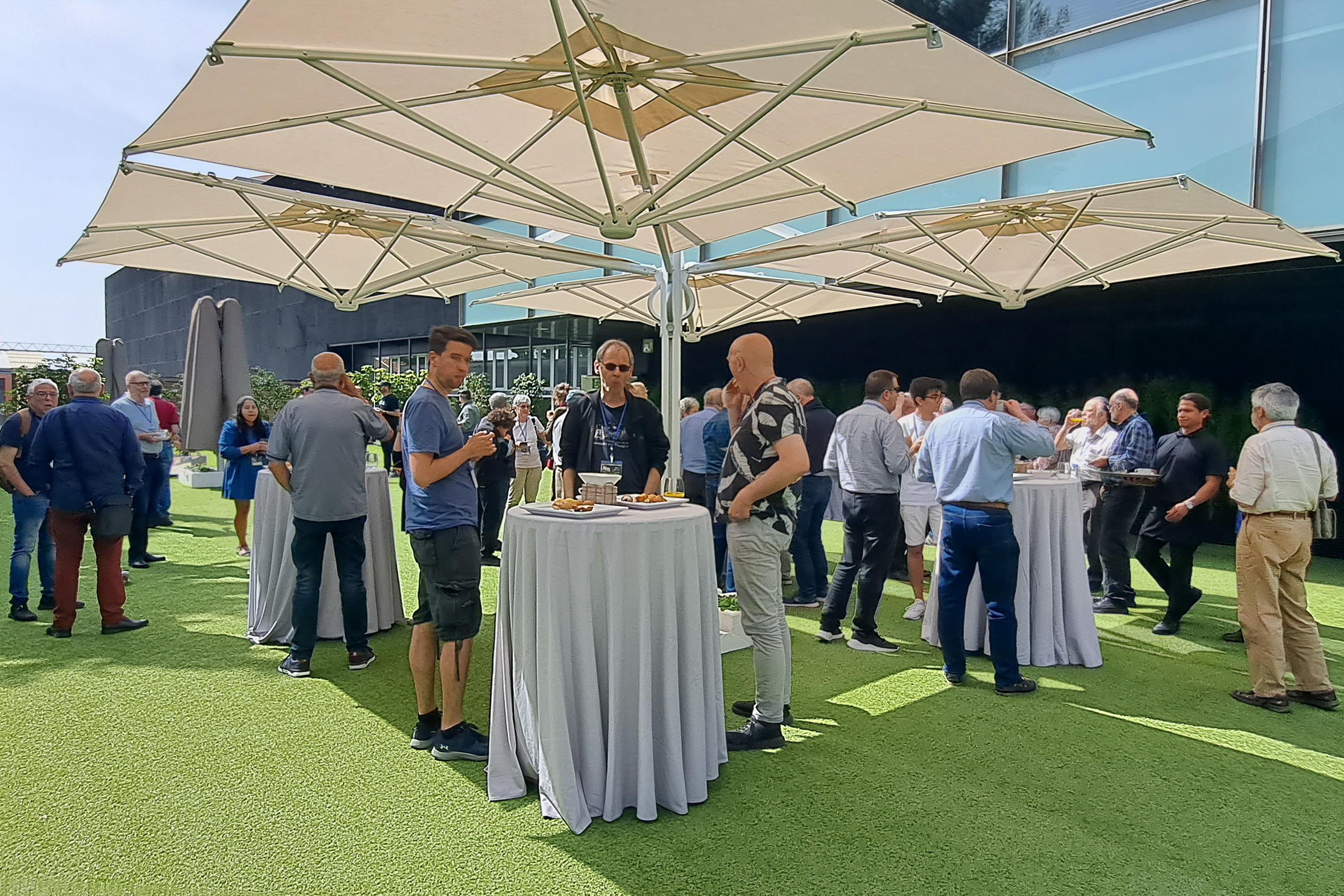
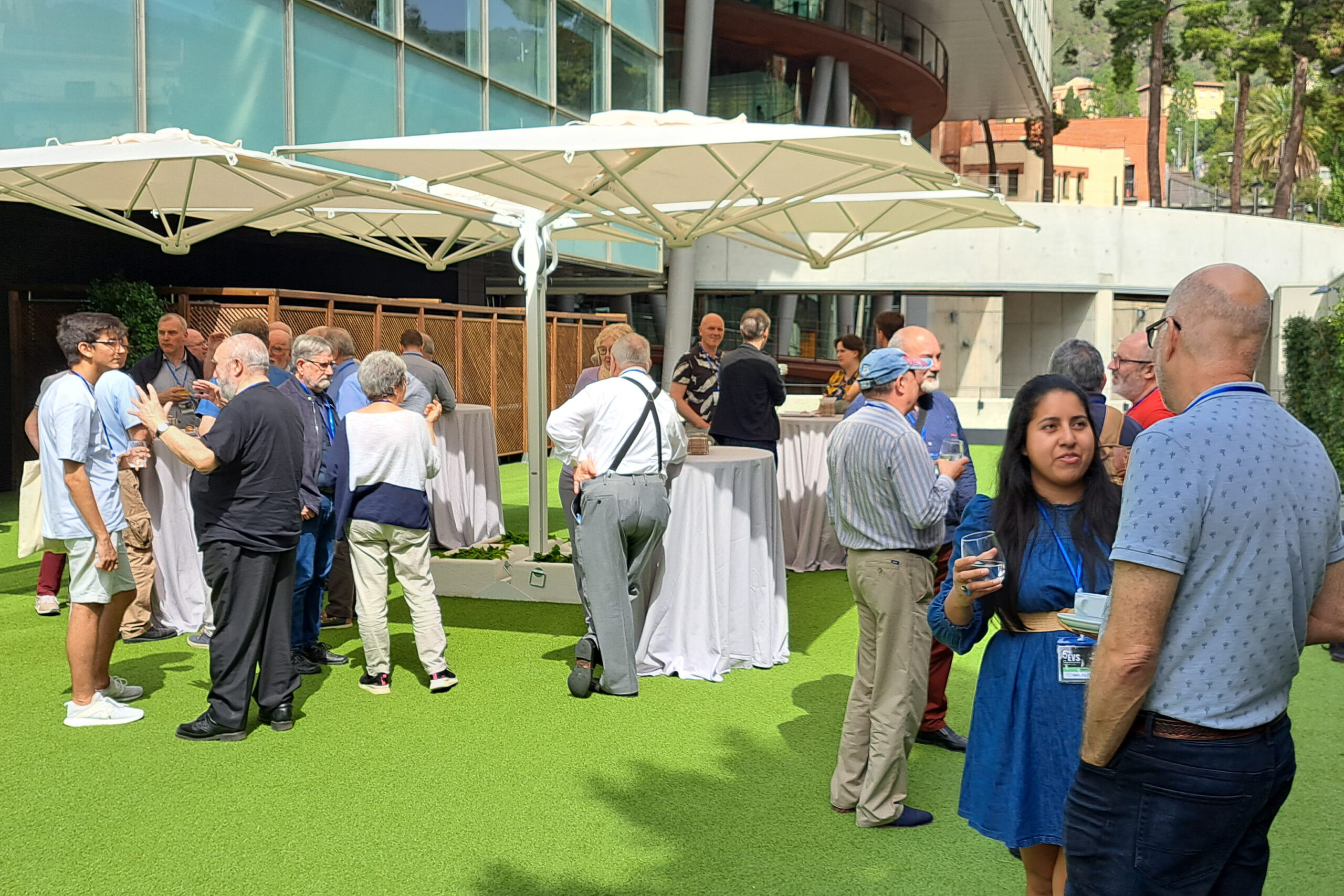
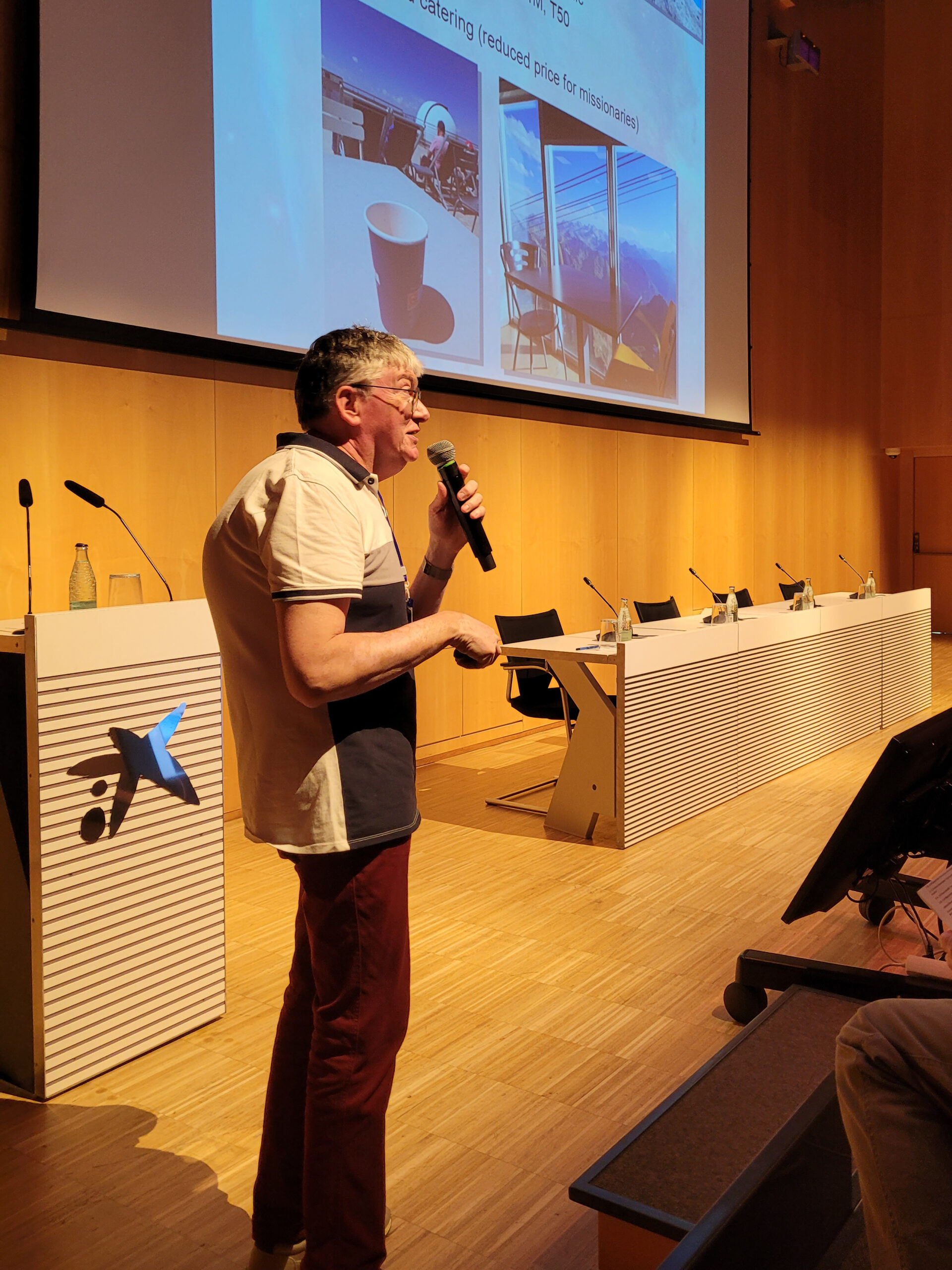
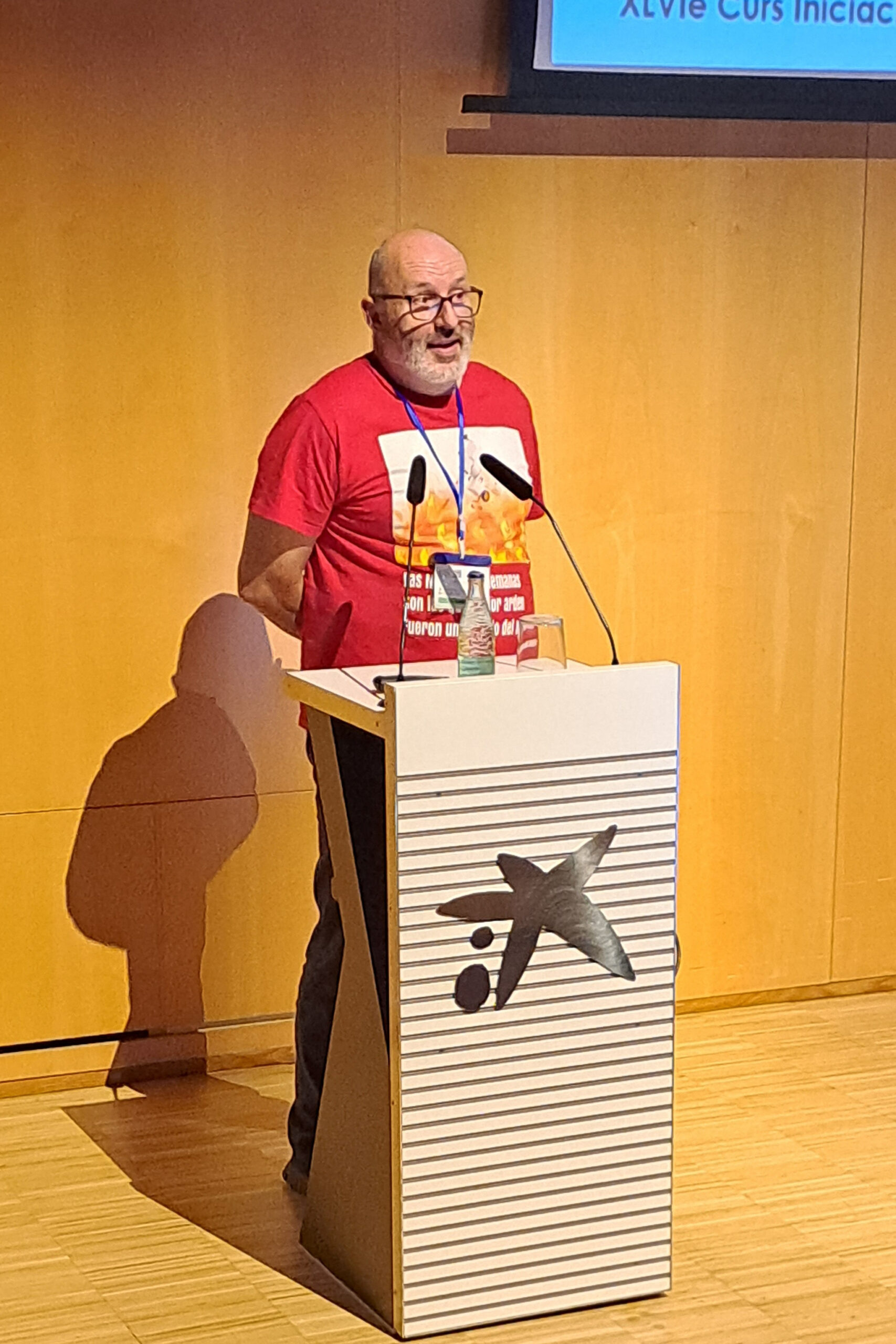
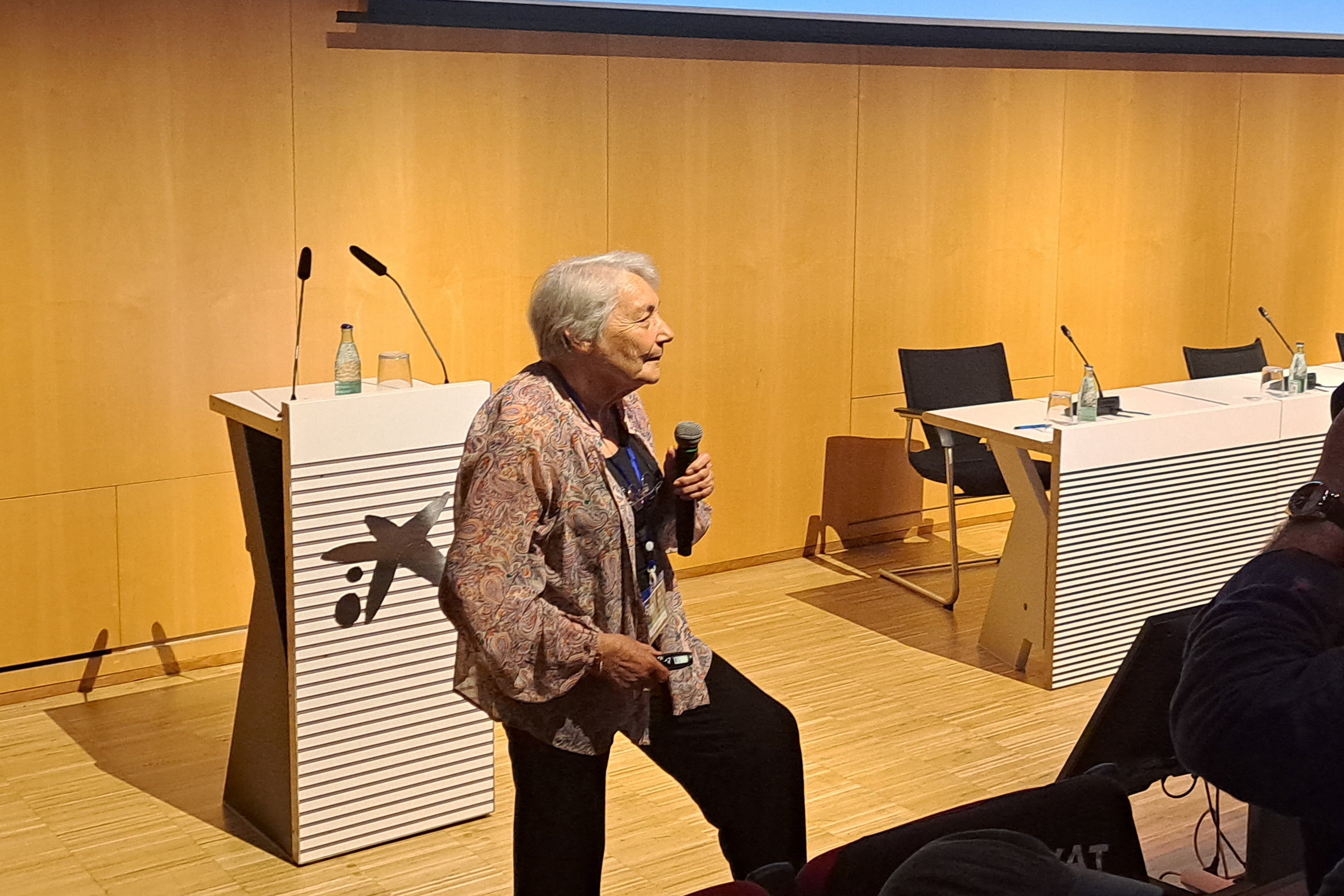
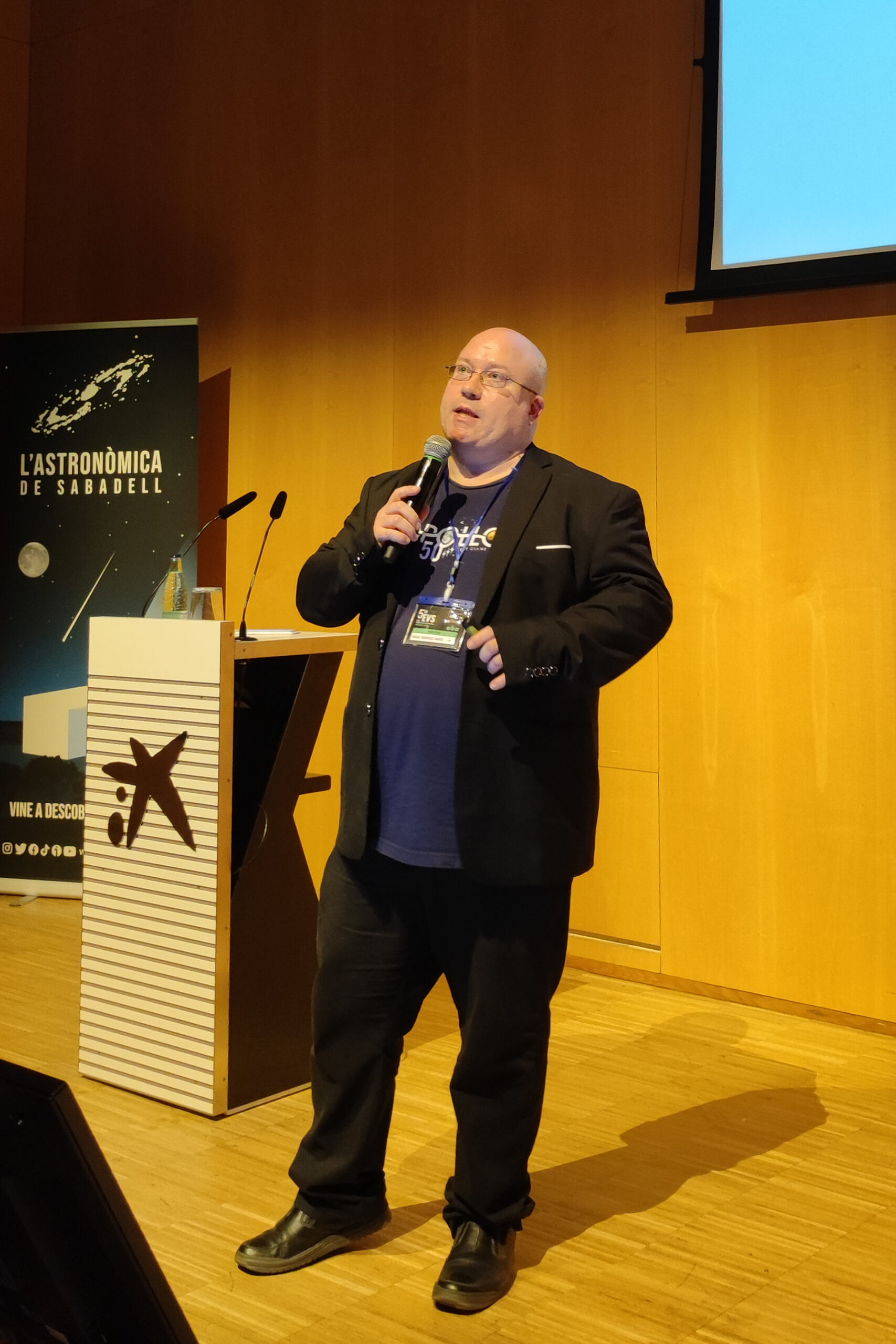
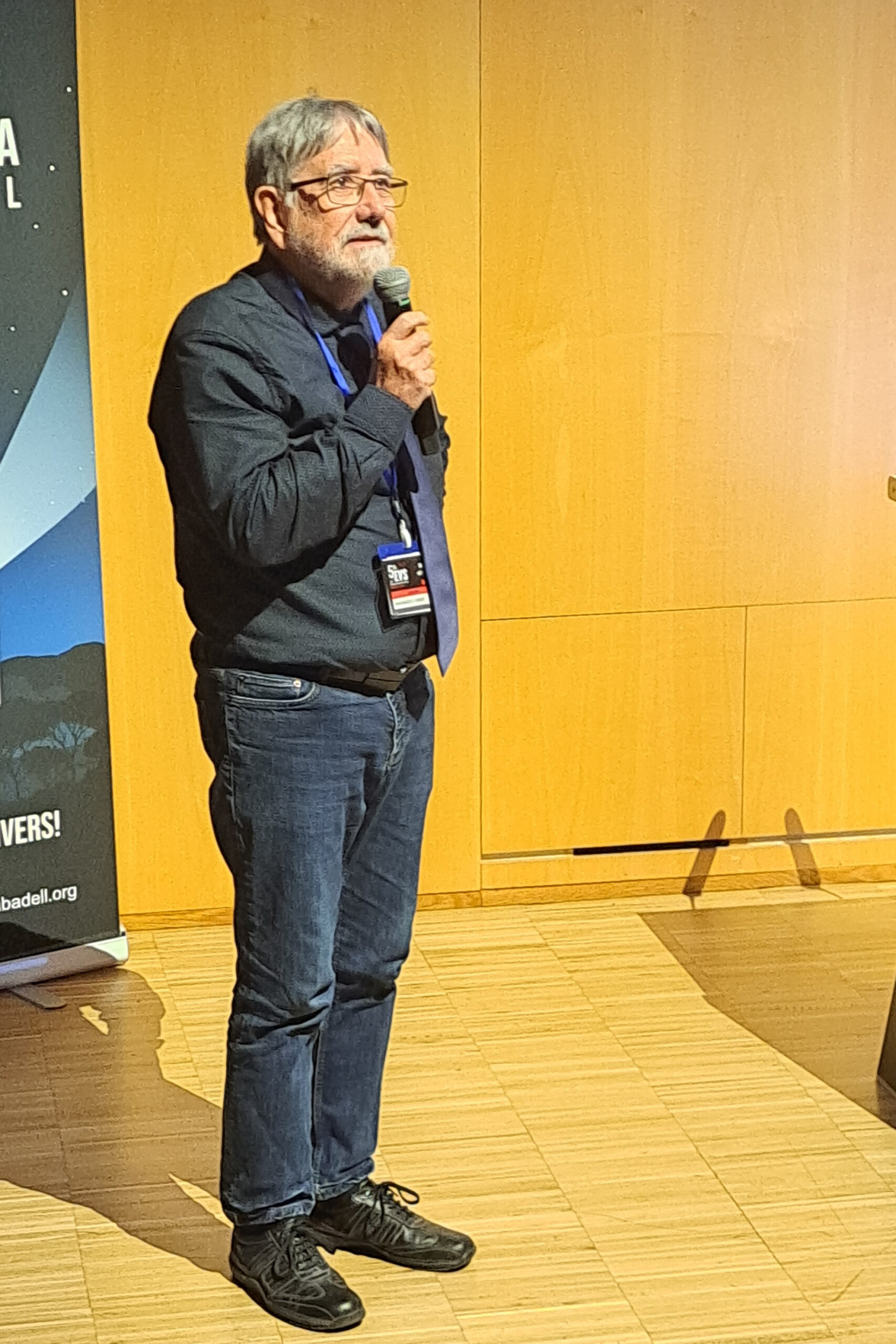
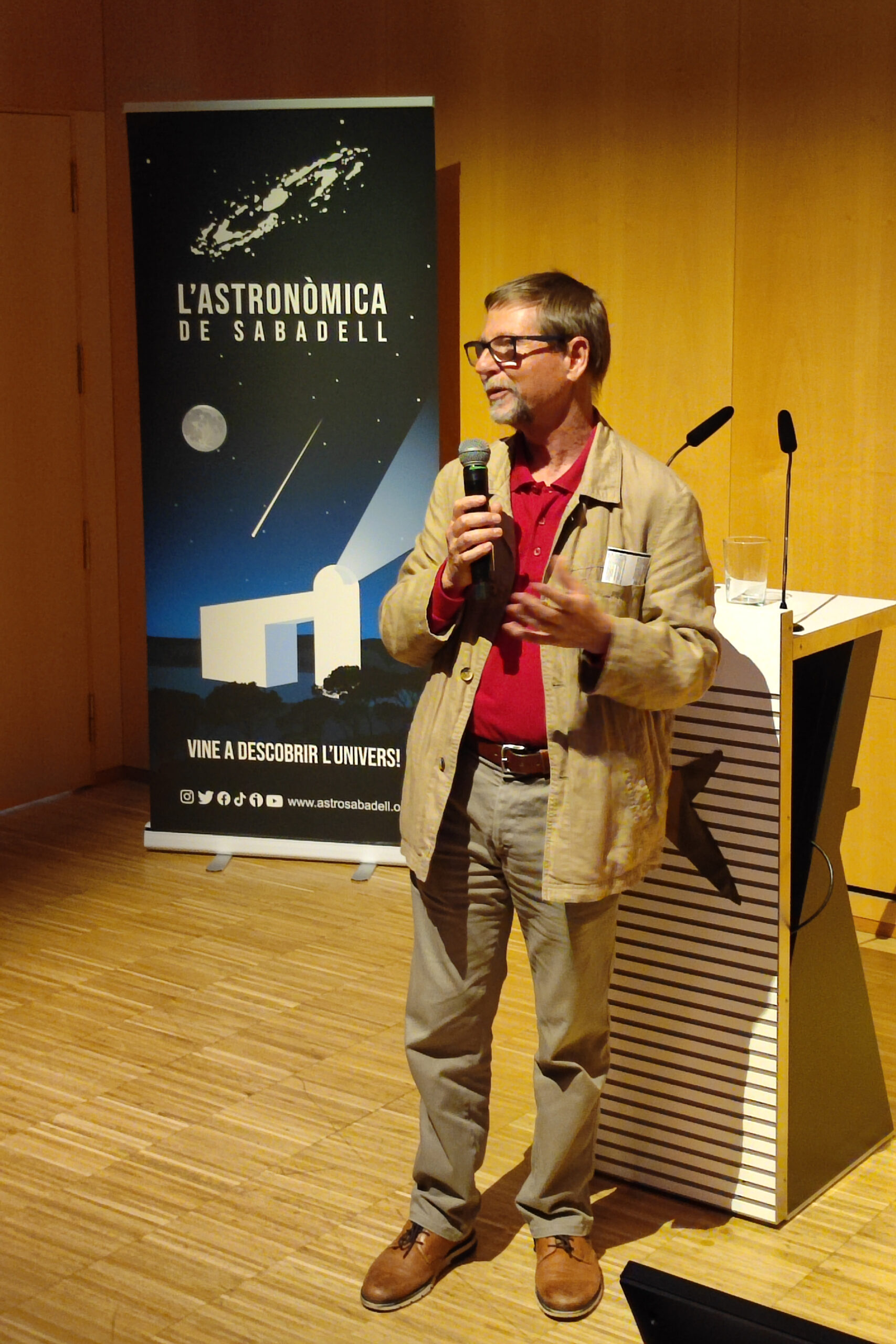
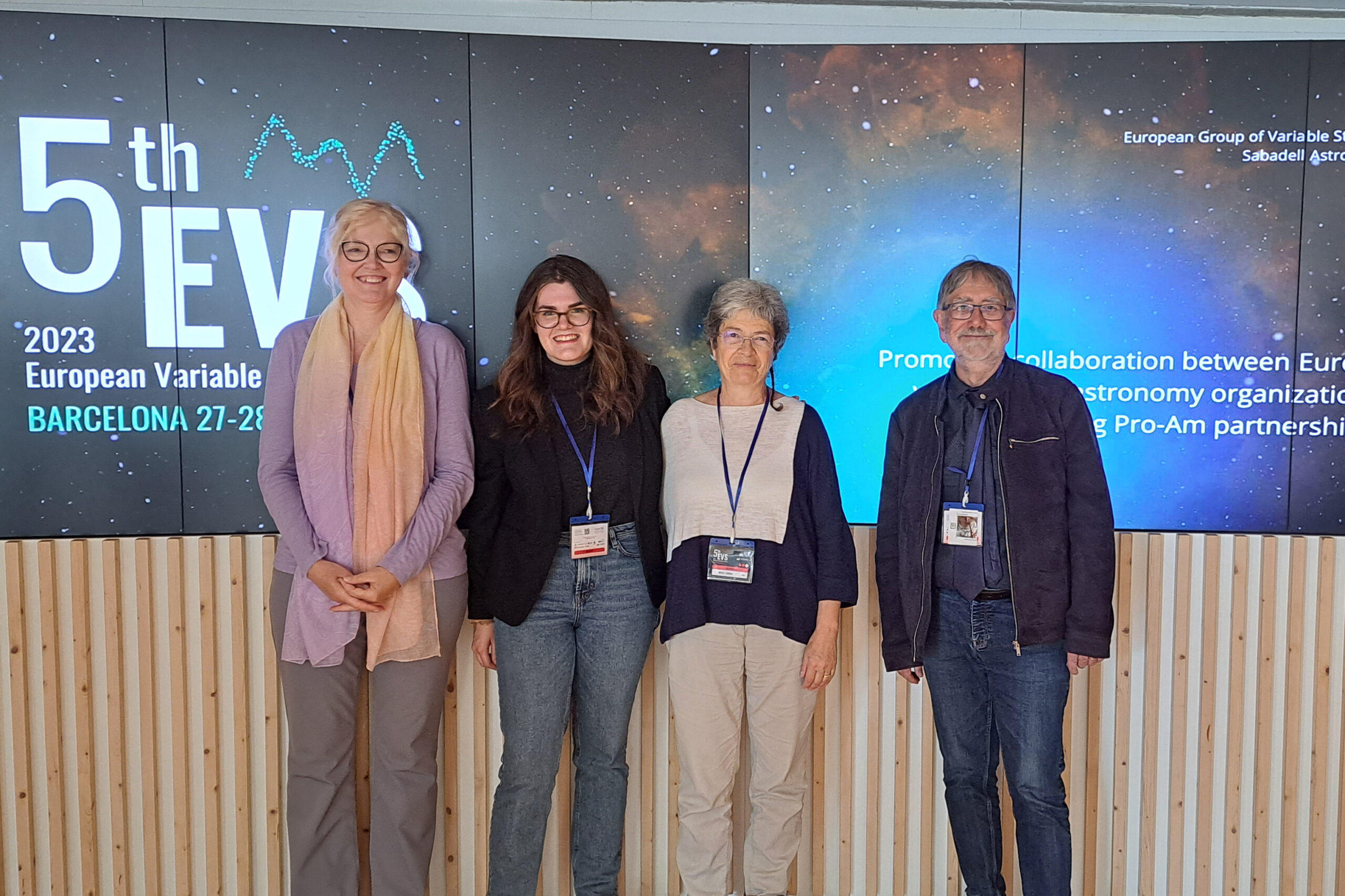
The GEOS meeting held in Barcelona on May 28, 2023, brought together thirteen members and guests at the CosmoCaixa science museum, following the 5th European Variable Stars observers meeting co-organized with the Agrupaciò Astronòmica de Sabadell. The gathering began with the renewal of the GEOS Board of Directors and Administrative Board, unanimously re-elected and expanded with new members, reaffirming the association’s commitment to continuity and openness. Financial matters were reviewed, highlighting GEOS’s stable position, absence of membership fees, and support for the EVS5 event.
Discussions focused on the integration of GAIA data into the RR Lyrae Database, aiming to enrich metadata for variable star studies. The meeting addressed the challenges of sharing observational data and publishing light curves, reflecting on the unique GEOS philosophy of managing the entire process from observation to publication. While this approach has sometimes limited international visibility, it underscores the dedication to scientific rigor and internal validation.
Participants explored the development of a new Cepheid Database in collaboration with international partners, emphasizing the importance of long-term monitoring and open scientific exchange. The need for more workshops to support members in producing scientific studies was raised, as well as the desire to see broader publication of RR Lyrae light curves.
The outdated GEOS website, hosted by the Universitat Poliècnica de València, was discussed, with plans to migrate to a more user-friendly WordPress platform. This transition is expected to facilitate global data sharing and improve access to GEOS publications, many of which are now available in open access.
The meeting concluded with a renewed sense of purpose, highlighting GEOS’s role in advancing variable star research, fostering collaboration between amateur and professional astronomers, and enhancing the visibility and accessibility of its scientific output.